

As a supplier of TPU Medical Casters, I've seen firsthand how crucial it is for these casters to perform at their best in a medical setting. TPU, or Thermoplastic Polyurethane, offers a great range of benefits for medical casters, like durability, chemical resistance, and good shock absorption. But there's always room for improvement. So, let's dig into some ways to boost the performance of TPU Medical Casters.
1. Material Quality Enhancement
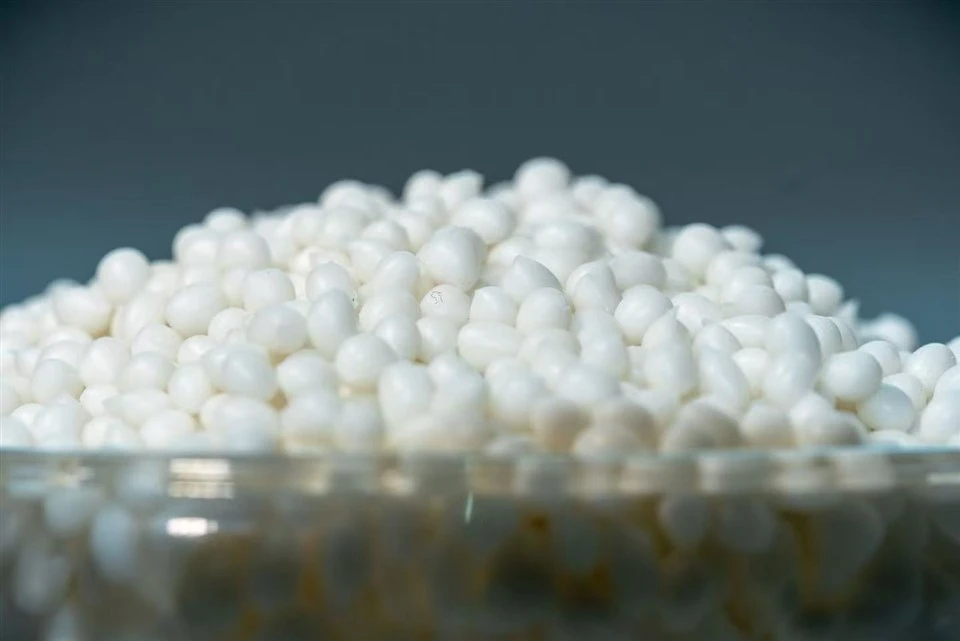
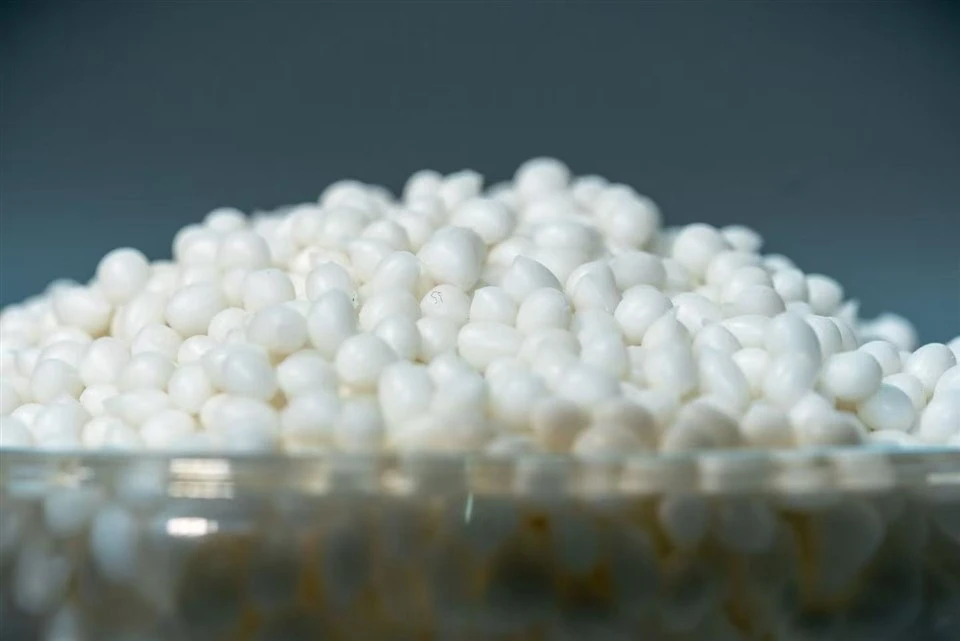
The foundation of good performance lies in the quality of the TPU material itself. When we source TPU, we need to ensure that it has the right hardness, tear strength, and chemical resistance. A higher - grade TPU means the caster can withstand more wear and tear over time.
For example, we can opt for TPU with a higher Shore hardness if the caster is going to be used in a high - traffic area or under heavy loads. This ensures that the caster won't flatten or deform quickly. Also, a TPU with excellent tear strength will resist cuts and punctures, which are common in a medical environment where there might be sharp objects on the floor.
Chemical resistance is another vital factor. In a hospital, medical casters are often exposed to various disinfectants and cleaning agents. A TPU with strong chemical resistance will not degrade or change its properties when in contact with these substances, thereby maintaining its performance.
Relatedly, if you're interested in other TPU applications, you can check out TPU Pneumatic Tubing, TPU Automotive Exterior Accessories, TPU Laptop Accessories, TPU for Footwear, and TPU Gaming Equipment Accessories.
2. Design Optimization
The design of TPU medical casters can significantly impact their performance. First, the wheel diameter matters. Larger wheels generally offer better mobility and can roll over small obstacles more easily. In a hospital, where there might be cables, small debris, or uneven floor surfaces, a larger - diameter wheel on the caster will make the medical equipment easier to move.
The tread pattern also plays an important role. A well - designed tread can provide better traction, especially on wet or slippery floors in areas like operating rooms or bathrooms. A pattern that channels water away can reduce the risk of slipping and ensure the safety of both the medical equipment and the people using it.
Another aspect of design is the swivel mechanism. A smooth - swiveling caster allows for easy maneuverability of medical equipment. The swivel should be able to rotate 360 degrees with minimal friction. We can use high - quality bearings and lubrication to achieve this. Additionally, a locking mechanism that is easy to operate and reliable is essential. It should be able to hold the medical equipment in place firmly when needed.
3. Manufacturing Process Improvement
The way we manufacture TPU medical casters is a key factor in their performance. Injection molding is a common method, but the process parameters need to be carefully controlled. The temperature, pressure, and injection speed all affect the final quality of the caster.
For example, if the injection temperature is too low, the TPU may not flow properly, leading to voids or uneven density in the caster. On the other hand, if the temperature is too high, the TPU may degrade, reducing its mechanical properties.
We also need to pay attention to the cooling process. A fast and uniform cooling can prevent the formation of internal stresses in the caster, which can cause cracking or deformation over time.
In addition, quality control during the manufacturing process is vital. We should have strict inspection procedures at each stage, from raw material inspection to the final product inspection. This ensures that only high - quality casters make it to the market.
4. Maintenance and Care
Even with the best - quality TPU medical casters, proper maintenance is necessary to keep them performing well. Regular cleaning is essential. In a medical environment, dirt, dust, and debris can accumulate on the caster wheels, affecting their rolling performance. We can use mild cleaning agents and a soft brush to clean the wheels, making sure to remove any particles that are lodged in the tread.
Lubrication of the swivel mechanism and bearings is also important. Over time, the lubricant can dry out or become contaminated. By lubricating these parts regularly, we can reduce friction and ensure smooth operation.
It's also a good idea to check for any signs of wear or damage regularly. If a caster shows excessive wear, like a flat spot on the wheel or a loose swivel, it should be replaced immediately to avoid any safety issues.
5. Testing and Validation
Before we release a new batch of TPU medical casters to the market, thorough testing is a must. We need to test the casters under different conditions to simulate real - world usage. For example, we can test the load - bearing capacity by applying different weights to the caster and observing how it performs.
We can also test the caster's performance on different floor surfaces, such as tile, linoleum, and carpet. This helps us understand how well the caster can roll and maneuver on various types of floors commonly found in medical facilities.
In addition, we should conduct chemical resistance tests by exposing the caster to different types of disinfectants and cleaning agents. This ensures that the caster can withstand the harsh chemical environment in a hospital.
Conclusion
Improving the performance of TPU Medical Casters involves a combination of factors, from material quality and design optimization to manufacturing process improvement and proper maintenance. By focusing on these aspects, we can provide high - quality casters that meet the demanding needs of the medical industry.
If you're in the market for TPU Medical Casters, or if you have any questions about improving their performance, don't hesitate to reach out. We're here to help you find the best solutions for your medical equipment needs.
References
- "Thermoplastic Polyurethanes: A Comprehensive Guide" by some experts in the field.
- Industry reports on medical equipment casters and TPU materials.