

TPU is a high-performance polyurethane elastomer.
It stands out for high tensile strength, superior abrasion and tear resistance, as well as good oil resistance. It offers broad hardness options and can be made transparent. Processable by injection and extrusion. It is widely used for films, protective sleeves, hoses, shoe parts and industrial wear-resistant components, with customized anti-hydrolysis and non-yellowing grades available.
TPU Thermoplastic Polyurethane Elastomer Manufacturer & Supplier
Polyether-Based TPU
Consider polyether TPU for applications where hydrolysis resistance and flexibility under moisture exposure are important. Final suitability depends on the formulation, temperature and exposure conditions.
TPU for Footwear
For outsoles, midsoles and other footwear components requiring flexibility, wear resistance and repeated flexing. Relevant selection factors include hardness, abrasion resistance, rebound and appearance.
TPU for Tubing and Extrusion
For pneumatic tubing, flexible hoses and extruded profiles. Grade selection should consider flexibility, dimensional requirements, operating pressure, temperature and contact media.
TPU for Automotive, Wire Protection and Industrial Parts
For selected molded components, protective sheaths, cable accessories and industrial parts requiring elastic behavior and mechanical durability. Confirm any additional requirements for flame retardancy, weathering, odor or regulatory compliance.
-
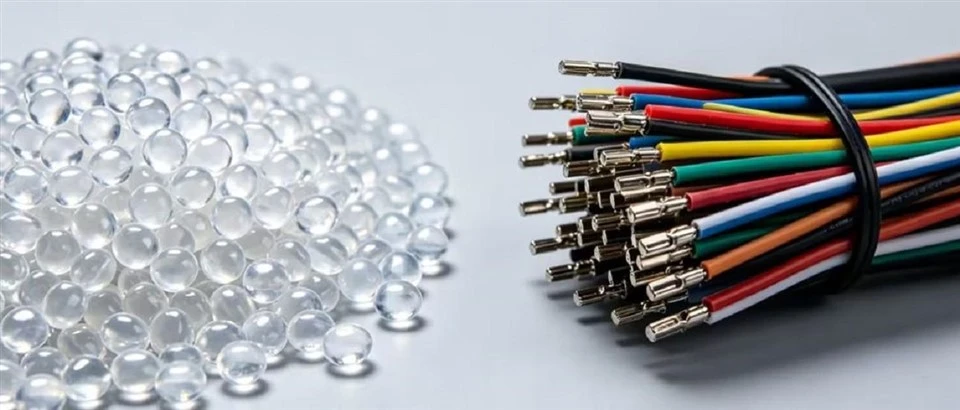
![TPU Pellets for Wire Harnesses]() TPU Pellets for Wire HarnessesWear, oil, acid-alkali resistant and flame retardantread more
1.High wear and oil resistance
2.Acid and alkali resistant
3.Good flame retardancy -
![TPU Pellets for Shoe Materials]() TPU Pellets for Shoe Materials1.High elasticity and high strengthread more
2.Excellent wear and folding resistance
3.Good anti-yellowing performance -
![TPU Pellets for Automotive Interior]() TPU Pellets for Automotive InteriorTPU Automotive Interior is low-odor, soft-touch, scratch-resistant, stain-resistant, VOC-compliant.read more
-
![TPU Pellets for Beauty and Cosmetic Accessories]() TPU Pellets for Beauty and Cosmetic Accessories1.Skin-friendly and softread more
2.Good elasticity
3.Waterproof and easy to clean -
![TPU Pellets for Router Accessories]() TPU Pellets for Router AccessoriesTPU Router Accessories are insulating, wear-resistant, shockproof, heat-resistant.read more
-
![TPU Pellets for Medical Casters]() TPU Pellets for Medical Casters1.Medical-grade and non-toxicread more
2.Resistant to disinfection
3.Silent and smooth rolling -
![TPU Pellets for Gaming Equipment]() TPU Pellets for Gaming Equipment1.Soft and elasticread more
2.Non-slip and comfortable
3.High wear resistance -
![TPU Pellets for Automotive Exterior]() TPU Pellets for Automotive Exterior1.High strength and impact resistanceread more
2.Excellent weather resistance
3.Good anti-yellowing performance -
![TPU Pellets for Laptop Accessories]() TPU Pellets for Laptop Accessories1.High strengthread more
2.Excellent anti-creep property
3.Good temperature stability and flexibility -
![TPU Pellets for Footwear]() TPU Pellets for Footwear1.High elasticity and strengthread more
2.Excellent wear resistance
3.Good low-temperature resistance and anti-yellowing -
![TPU Pellets for Pneumatic Tubing]() TPU Pellets for Pneumatic TubingExtrusion‑optimized TPU for straight & spiral pneumatic tubing. Polyether & polyester grades, hardness **Shore 70A‑60D (ASTM D2240)**, standard grades:75A‑98A,55D. High melt‑strength ensures...read more


Footwear: Outsoles, midsoles and other flexible shoe components.
Automotive: Selected interior and exterior parts, protective covers and molded components.
Tubing and Hoses: Pneumatic tubing, flexible hoses and extruded profiles.
Wire and Cable: Protective sheaths, wire harness components and cable accessories.
Electronics and Consumer Products: Protective cases, sleeves and flexible accessories.
Industrial Components: Wear-resistant parts, flexible guards and molded elastomeric products.
Material Properties & Specifications
TPU specifications vary by grade and polymer formulation. Use the following table as a material-selection checklist rather than a universal specification for all TPU products.
|
Property |
Common Test Method |
Unit |
Why It Matters |
|
Hardness |
ASTM D2240 |
Shore A / Shore D |
Determines relative softness and rigidity |
|
Tensile Strength |
ASTM D412 or ISO 37 |
MPa |
Indicates resistance to tensile loading |
|
Elongation at Break |
ASTM D412 or ISO 37 |
% |
Indicates stretch capacity before failure |
|
Tear Strength |
ASTM D624 or ISO 34-1 |
Method-dependent |
Helps assess resistance to tear propagation |
|
Abrasion Resistance |
ASTM D5963 or ISO 4649 |
Method-dependent |
Relevant to surfaces exposed to friction and wear |
|
Density |
ASTM D792 or ISO 1183 |
g/cm³ |
Supports material and weight comparisons |
|
Melt Flow Rate |
ASTM D1238 or ISO 1133 |
Test-condition-dependent |
Helps compare melt flow under specified conditions |
|
Hydrolysis Resistance |
Grade- and application-specific method |
Test-dependent |
Relevant to moisture and heat exposure |
|
Color and Yellowing Resistance |
Agreed test method |
Test-dependent |
Important for appearance-sensitive applications |
Custom Compounding & Material Development
Kesun can assess material requirements for projects that need a specific combination of mechanical properties and processing characteristics.
Hardness:
Identify a suitable Shore A or Shore D range for the part design.
01
Polymer Type:
Evaluate polyether- or polyester-based TPU according to moisture exposure and performance requirements.
02
Color and Appearance:
Review color matching, transparency and yellowing requirements.
03
Functional Properties:
Assess requirements such as abrasion resistance, hydrolysis resistance or flame retardancy.
04
Processing Behavior:
Review melt flow and suitability for injection molding or extrusion.
05
Processing & Quality Control
Processing Considerations
Drying: Follow the selected grade's recommended drying temperature, time and moisture target. Do not apply one drying schedule to every TPU formulation.
Injection Molding: Confirm barrel and nozzle temperatures, mold temperature, injection settings and residence time using the grade-specific processing guide.
Extrusion: Match the temperature profile, screw setup and die conditions to the material and product geometry.
Production Trials: Check surface appearance, dimensions and processing stability before approving a production run.
Quality Control
Inspection requirements should be defined by grade specifications and the intended application. Relevant checks may include:
Hardness and density measurement
Tensile strength and elongation testing
Tear strength and abrasion testing
Melt flow measurement where specified
Visual appearance and color consistency
Additional hydrolysis, weathering or flame-retardancy testing where required
OEM Support & Bulk Supply
Sample Supply:
5kg to 25kg sampling lots shipped in sealed aluminum-barrier foil bags for tool trial runs.
Export Packaging:
Standard 25kg multi-wall paper bags with moisture-barrier PE liners; 500kg or 1000kg octabin gaylord boxes palletized and stretch-wrapped for sea freight container loading.
Production Lead Time:
Standard black/natural grades ship in 5 to 7 business days; custom formulations or custom color-matched lots require 10 to 14 business days.
Documentation Support:
Certificate of Analysis (COA) provided per batch. Third-party testing reports available for RoHS, REACH, and UL94 compliance.
FAQ

Request a Quote
Looking for TPU pellets for footwear, tubing, wire protection, automotive components or industrial parts?
Send Kesun your application details, target properties, processing method and estimated order quantity. The requirements can then be reviewed against available grade information, sample options and supply conditions.
Email: talia@kesuntpe.com
WhatsApp: +86 182 6102 3199
Kunshan Kesun Polymer Co., Ltd. is one of the most professional TPU manufacturers and suppliers in China, featured by quality products and low price. Please feel free to wholesale bulk eco-friendly TPU from our factory. Contact us for customized service and free sample.