

If you’ve ever installed fiber optic cabling in a data center, laid cable for a campus network, or even swapped out a patch cord in a home theater, you’ve probably stared at the tiny, rubbery piece at the end of the connector: the fiber optic boot. For years, most of these boots were made from hard polyvinyl chloride (PVC) or rigid nylon, tough enough to snap into place but prone to cracking under repeated bending or heavy use. But in recent years, as fiber networks have expanded beyond controlled data centers to sprawling outdoor campuses, rugged industrial sites, and even consumer-facing home setups, one question has popped up repeatedly: Can TPE fiber optic boot be used in fiber optic patch cords? As a supplier of TPE pellets for a range of industrial and consumer applications – including TPE Pellets for Fiber Optic Boot – I’ve spent years working with this material, testing its limits, and talking to network technicians and patch cord manufacturers about its real-world performance. The short answer is yes, TPE fiber optic boots aren’t just a viable option for patch cords; in many cases, they’re a better one than traditional materials. Let’s break down why, how it works, and the scenarios where it shines (and where it’s still not the best fit).
First, let’s start with the basics of what a fiber optic boot does. It’s more than just a protective cover: it provides a grip for inserting and removing the connector, absorbs the stress of bending the patch cord so that the delicate fiber inside the ferrule doesn’t break, and acts as a small barrier against dust, moisture, and physical damage. For patch cords – which are designed to be moved, unplugged, and re-plugged hundreds of times over their lifespan – durability and flexibility are non-negotiable. Traditional PVC boots have long been the default because they’re cheap and easy to mold, but they have two big flaws: they lose flexibility in cold temperatures, making them brittle enough to crack if bumped in a basement server room or laid outdoors in winter, and they don’t stretch or absorb shock as well when the cord is pulled or bent sharply. Rigid nylon boots, on the other hand, are tough, but they’re so stiff that they transfer stress directly to the fiber inside, leading to micro-cracks that cause signal loss over time.
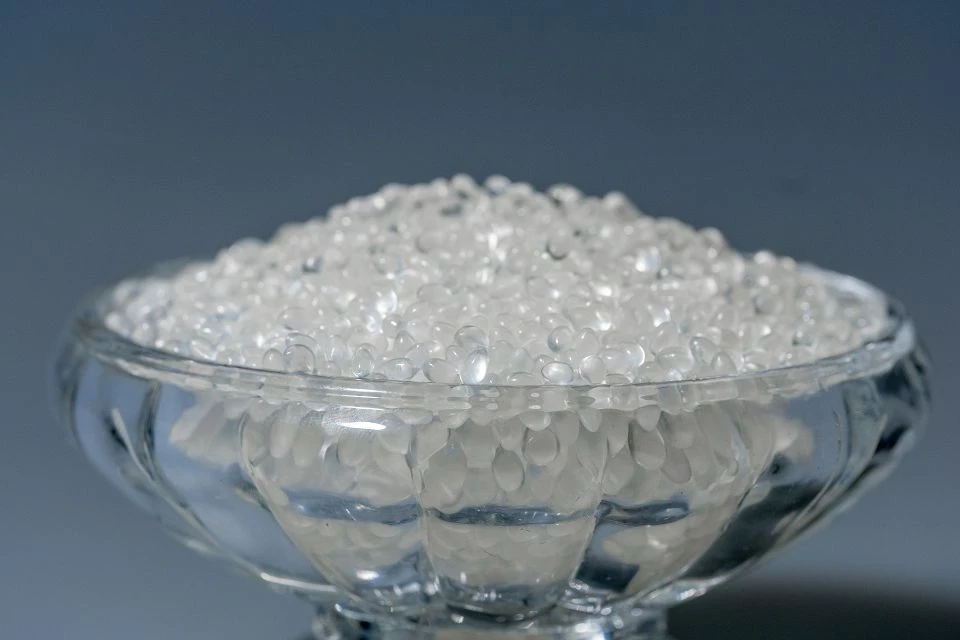
That’s where TPE (thermoplastic elastomer) comes in. TPE is a class of materials that combines the elasticity of rubber with the moldability of plastic, which makes it uniquely suited for parts that need both flexibility and structure. Unlike thermoset rubbers (which are cured and can’t be re-molded), TPE can be melted and shaped repeatedly, which cuts down on manufacturing costs and allows for complex, ergonomic designs. For fiber optic boots specifically, TPE’s key properties are low-temperature flexibility, impact resistance, and a high coefficient of friction – meaning it’s grippy enough to turn connectors without slipping, even when your hands are sweaty or covered in dust.
I first realized TPE’s potential for fiber optic boots a few years ago, when a client who manufactures patch cords for outdoor industrial networks reached out complaining that their PVC boots were cracking within a year of installation in a cold-storage warehouse. The warehouse’s temperatures dropped to -20°F (-29°C) in winter, and the PVC boots would crack when workers dragged the patch cords across concrete to connect new machines. We suggested testing a TPE formula I developed for rugged outdoor use, and within six months, the client reported a 90% drop in boot replacements. That’s the kind of performance that can’t be ignored, especially in applications where downtime costs thousands of dollars an hour.
But it’s not just extreme cold where TPE outperforms. In high-traffic areas like school computer labs, where students and staff plug and unplug patch cords dozens of times a day, TPE’s abrasion resistance comes into play. Traditional PVC boots start to fray and show wear after 50 or 60 insertions, but TPE boots can withstand 200+ insertions without losing their grip or cracking. That’s a big deal for patch cords that need to last for 5+ years, instead of being replaced every 18 months.
Of course, TPE isn’t a one-size-fits-all solution. Let’s talk about where it might not be the best choice. If your patch cord is intended for use in a sterile environment like a cleanroom, where particles outgassed from plastic materials can contaminate optical components, some low-grade TPEs might not meet the strict ISO 14644-1 standards for cleanroom compatibility. In that case, a high-performance PVDF boot (though more expensive) would be a better fit. Also, if your patch cord is going to be exposed to strong chemicals like solvents or oils – say, in a factory that uses hydraulic fluids – TPE can break down over time, unlike specialized rubber materials or nylon that’s chemically resistant. For those scenarios, we often recommend pairing TPE for other parts of the cord with a different boot material, or using a fluoropolymer boot if chemical exposure is a given.
Another important point to consider is cost. Right now, TPE pellets for fiber optic boots are slightly more expensive than standard PVC pellets, but the longer lifespan and lower replacement costs often offset that difference. For example, a patch cord with a TPE boot might cost 15% more upfront, but if it lasts three times longer than a PVC boot, the total cost of ownership over five years is actually lower. That’s a calculation a lot of patch cord manufacturers and network operators are starting to make, as they look to reduce long-term maintenance.
I should also note that TPE isn’t just a direct replacement for old materials – it opens up new design possibilities that traditional boots can’t. Because TPE is moldable, manufacturers can create boots with textured grips, color-coded sections to distinguish between different network runs, or even built-in strain relief that wraps a little further down the patch cord to protect the fiber from even more stress. We’ve worked with several clients to develop custom TPE colors for their patch cords, which helps technicians quickly identify which cords are for the main network, backup, or guest WiFi – a small but useful detail that reduces setup time in busy spaces.
If you’re a patch cord manufacturer wondering whether to switch to TPE fiber optic boots, here’s a practical test I always recommend: take a sample of your current PVC boot, and a sample of a TPE boot I’d suggest, and do a simple “bend and freeze” test. Submerge both in a bucket of cold water (or a freezer for a few hours), then take them out and bend them sharply. The PVC will crack or snap, while the TPE will flex right back, no damage. That’s a quick way to see the difference in real terms, without needing expensive lab equipment.

Also, don’t take my word for it – talk to other people in the industry. Last year, I attended a fiber optics trade show where a network technician from a large university told me that after switching to TPE boots for their dormitory patch cords, they’d reduced service calls about patch cord failures by 75%. Students were plugging and unplugging cords a lot, and the old PVC boots would crack and break, leading to intermittent signal loss. The TPE boots held up, and the techs didn’t have to run to every dorm room to replace cords anymore. That’s the kind of on-the-ground success story that makes the shift worth it.
For those still skeptical, let’s clear up a common misconception: some people think TPE is less durable than rubber, but modern TPE formulations – especially the ones we develop for fiber optic boots – are actually designed to outlast many traditional rubber materials in dynamic, repeated-stress applications. Unlike natural rubber, which degrades quickly with UV exposure, TPE is resistant to UV rays, so it doesn’t break down when used outdoors, in a rooftop antenna setup, or near a window in an office. That’s a huge advantage for outdoor fiber runs, which are becoming more common as cities add 5G small cells and smart streetlights.
Now, let’s talk about how to choose the right TPE pellet for your fiber optic boot. Not all TPEs are created equal. Some TPEs are soft and stretchy, good for gaskets or handles, while others are hard and rigid, suitable for things like tool housings. For fiber optic boots, you need a mid-hardness TPE – usually a Shore A hardness of 70 to 85 – which is firm enough to hold its shape, grippy enough for connectors, but flexible enough to bend without cracking. It’s also important to choose a TPE that’s low outgassing, to avoid contaminating the fiber, and compatible with the connector materials you’re using (like LC, SC, or MPO connectors). That’s why working with a TPE supplier that specializes in fiber optic applications is key – a supplier that has experience with TPE Pellets for Wire Harness or TPE Pellets for Luggage Edge Trim can bring that same quality control to fiber optic boots, but a supplier with dedicated fiber optic TPEs will have formulas tested specifically for optical performance.
I’ve also seen clients try to use low-grade TPEs meant for shoe soles (like TPE Pellets for Shoe Materials) for fiber optic boots, and that doesn’t work well. Shoe TPEs are designed for flexibility, but they’re not rigid enough to maintain the shape of the boot, so they can slip off the connector or fold over during insertion, leading to damaged ferrules. That’s why it’s important to match the TPE grade to the application – a shoe sole TPE is great for sneakers, but not for fiber optic boots.
So, to circle back to the original question: Can TPE fiber optic boot be used in fiber optic patch cords? The answer is a resounding yes, but with caveats. It’s ideal for high-traffic, outdoor, or cold-environment applications where durability and flexibility matter, and it’s a cost-effective upgrade for many patch cord manufacturers. It’s not the best choice for cleanroom or highly chemical-exposed settings, but for 80% of the patch cords being manufactured today, TPE is a better option than traditional PVC or nylon.
If you’re a network operator or patch cord manufacturer looking to switch to TPE fiber optic boots, the first step is to work with a supplier that can provide you with tested, application-specific TPE pellets. Whether you need small batches for testing or large volumes for production, a supplier with experience in fiber optic TPEs can help you find the right formula, run compatibility tests, and ensure your final product meets all industry standards. Don’t just go for the cheapest TPE – invest in a grade that’s designed for the stress, temperature, and usage your patch cords will face, and you’ll see the payoff in fewer service calls, longer-lasting products, and lower total costs over time.
I’ve spent years watching fiber optic technology evolve, and TPE has been one of the most impactful materials to enter the space in the last decade. It’s turned a simple part – the fiber optic boot – into a key component that extends the lifespan of patch cords, reduces downtime, and makes fiber networks more reliable. If you’re still using PVC or nylon boots because that’s what you’ve always used, it’s worth testing TPE. You might be surprised at how much of a difference it makes.
If you’re interested in learning more about TPE fiber optic boots, or have questions about which TPE grade is right for your patch cord application, feel free to reach out to discuss your needs.
References:
- Fiber Optic Association. (2022). “Fiber Optic Connector Design and Component Performance.” FOA Technical Report Series.
- ASTM International. (2021). “Standard Test Methods for Flexural Properties of Plastic Materials.” ASTM D790-21.
- International Organization for Standardization. (2019). “Cleanrooms and Associated Controlled Environments – Classification of Air Cleanliness.” ISO 14644-1:2019.
- Thermoplastic Elastomer Manufacturers Association. (2020). “TPE Applications in Telecommunications Components.” TEMA Industry Brief.
- Network World. (2021). “Patch Cord Durability: Reducing Downtime in Data Centers and Campus Networks.” Network World Vendor Case Study.