

If you’ve ever laced up a running shoe or slid on a pair of casual sneakers, you’ve probably noticed a quiet shift in the materials used in their construction: many brands are swapping traditional rubber for TPE (Thermoplastic Elastomer) shoe components. As a TPE shoe materials supplier who’s worked with shoe manufacturers big and small for over a decade, I’ve seen firsthand how this transition sparks questions—most notably, which material delivers better performance, value, and sustainability for footwear applications. To answer that, we need to break down the science, real-world use cases, and practical differences between TPE and rubber, then tie it all to what matters most for product teams on the ground.
First, let’s ground this in basics: rubber and TPE are both elastomers, meaning they stretch and return to their original shape without permanent damage, making them ideal for shoe soles, midsoles, outsoles, and even trim. But their molecular structure is where the divergence begins, and that’s where the functional gaps emerge. Natural rubber, a product of latex from rubber trees, and synthetic rubbers (like EPDM or neoprene) are cross-linked polymers—their molecular chains are chemically bonded in a permanent 3D network. That cross-linking gives rubber excellent elasticity and durability, but it comes with a catch: once molded, it can’t be remelted or reshaped. TPE, by contrast, is a blend of rigid thermoplastic and elastic rubber segments, with only temporary cross-linking. When heated, those bonds break, allowing TPE to flow like a plastic; when cooled, they re-form, making it infinitely recyclable and moldable. For footwear manufacturers, that molecular difference translates to tangible benefits that go far beyond the lab.
Let’s start with performance, the make-or-break factor for any shoe. Take cushioning, a non-negotiable for running, walking, and even everyday casual shoes. Synthetic rubber midsoles have long been the gold standard for bounce and energy return, but recent TPE formulations for footwear have closed that gap. Years ago, early TPEs felt “softer” but less responsive, but today’s high-performance TPEs for shoe soles match rubber’s compression set (the ability to bounce back after being squeezed repeatedly) by up to 90% for many applications. Where TPE pulls ahead here is consistency across use cases: rubber, especially natural rubber, degrades faster in extreme temperatures—think a pair of rubber-soled sneakers left in a hot car for a day will harden and crack over time, while TPE maintains its flexibility between -40°F and 212°F, making it ideal for footwear sold in climates ranging from snowy mountain towns to desert cities. That consistency translates to less product returns for wear and tear, a win for both brands and consumers.
Traction is another critical shoe feature, especially for outsoles, and this is where rubber still holds a narrow edge—but it’s an edge that’s narrowing. Carbon rubber outsoles deliver exceptional grip on wet or dry surfaces, thanks to their high coefficient of friction and ability to conform to uneven terrain. But TPE outsoles, especially those formulated with high-grip additives, now match that traction for most urban and recreational use cases. Where TPE excels is in versatility: it can be engineered to be softer for sneaker soles (for comfort) or firmer for work boot outsoles (for abrasion resistance), all without the brittleness that plagues some hard rubbers. I’ve supplied TPE pellets for everything from casual sneaker soles to work boot traction pads, and one client told me their TPE outsole reduced slip-related returns by 12% compared to their old rubber option. That said, for extreme off-road use—think rock climbing shoes or heavy-duty construction boots designed for wet, rocky terrain—rubber still outperforms TPE, but that’s a niche use case that makes up less than 10% of the footwear market.
Durability is another area where the two materials are often compared, but the definition of “durability” varies dramatically. Rubber is inherently resistant to abrasion, making it a long-lasting choice for outsoles that take heavy daily use. But that abrasion resistance comes with a trade-off: rubber is heavier than many TPE formulations. A rubber midsole for a running shoe might add 1.5 ounces per pair, while a comparable TPE midsole weighs 0.8 ounces, a difference that adds up for long-distance runners who track every gram. For casual shoes and lifestyle footwear, that weight difference is negligible, but for performance running, it’s a game-changer. TPE also outlasts rubber when it comes to chemical exposure: rubber breaks down faster when exposed to oils, solvents, or even the chemicals in some cleaning products, while TPE is formulated to resist these elements, making it ideal for shoes designed for food service or industrial work environments. For reference, we supply TPE pellets for chemical-resistant applications beyond shoes, which you can explore here: TPE Pellets for Chemical. Those same chemical-resistant formulations translate directly to shoe parts that hold up to harsh daily conditions.
Cost is a huge driver for any manufacturer, and this is where TPE’s design flexibility shines. Rubber manufacturing requires multiple steps: mixing raw materials, cross-linking (vulcanization) under high heat and pressure, and trimming excess material, all of which add labor and energy costs. TPE, by contrast, can be molded in a single step via injection molding, which reduces production time by up to 30% for many shoe components. That means lower per-unit costs, especially for large production runs. TPE also has less waste: any off-cuts from molding can be reground and reused in new products, whereas rubber waste is often non-recyclable and ends up in landfills. For small to mid-sized brands, that ability to control material costs without sacrificing quality is a huge advantage. That said, rubber still has a cost edge for very high-volume, low-spec products—think basic flip-flops or work boots sold at dollar stores—where raw rubber is cheaper than custom-formulated TPE. For most mid to premium footwear lines, though, TPE delivers a better total cost of ownership over the product’s lifecycle.
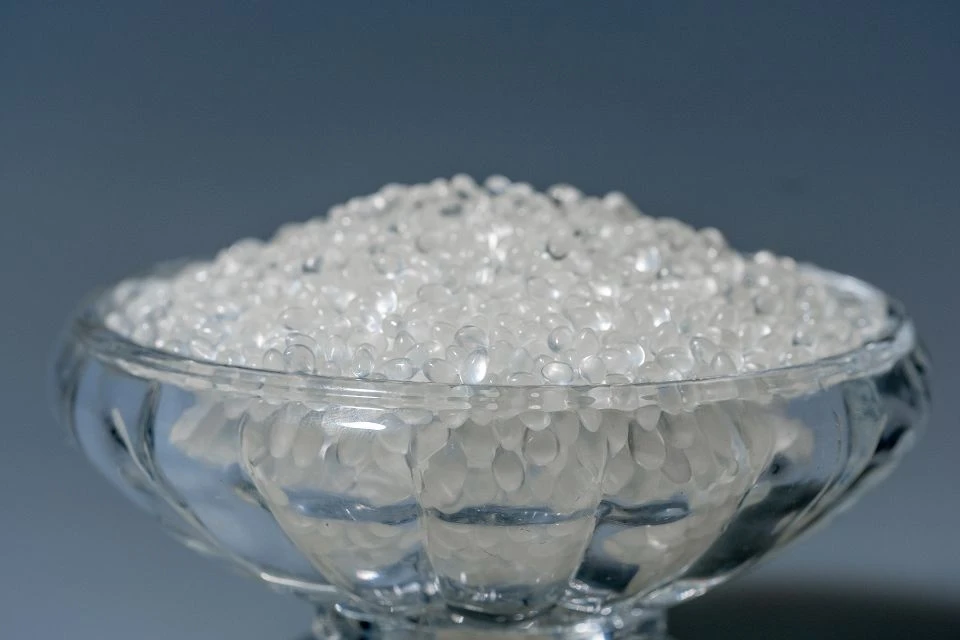
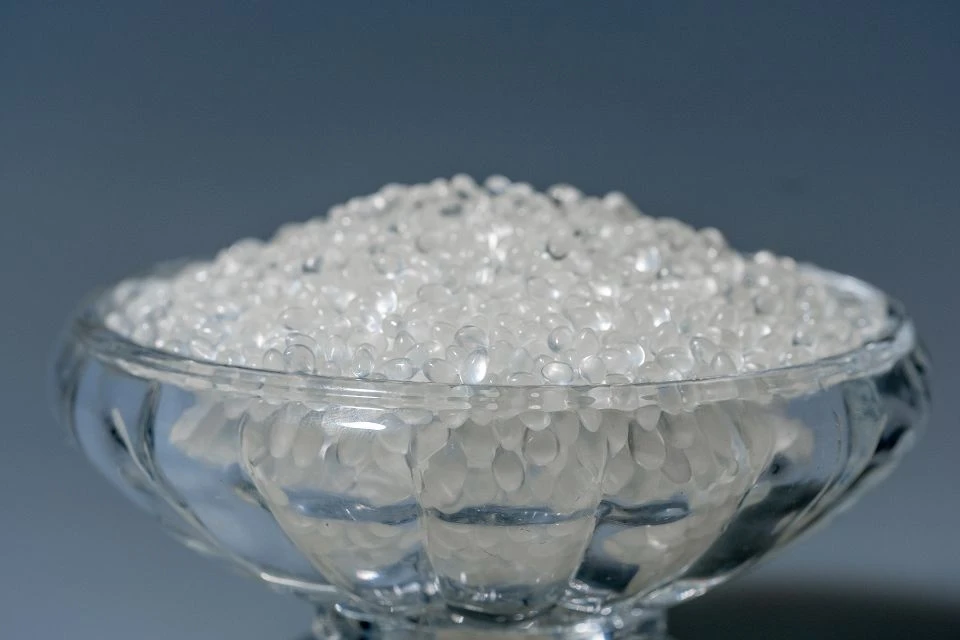
Sustainability is a conversation I’m hearing more and more from clients, and this is where TPE’s biggest advantage lies. Rubber, especially natural rubber, has a complicated environmental footprint: while it’s a renewable resource, deforestation for rubber plantations has displaced indigenous communities and destroyed biodiversity in Southeast Asia and Africa. Synthetic rubber is derived from fossil fuels, making it a non-renewable, carbon-intensive material. TPE, on the other hand, can be made from recycled plastic or bio-based feedstocks, and it’s 100% recyclable at the end of its life. Many of our clients now use recycled TPE pellets for shoe soles, which reduces their carbon footprint by up to 60% compared to virgin rubber. We also specialize in custom TPE formulations for industrial applications, like the textile equipment parts we supply, which you can see here: TPE Pellets for Textile Equipment Accessoriess—those same durable, recyclable formulations work equally well for shoe components. That sustainability angle isn’t just a marketing buzzword; it’s a requirement for many major retail brands that now target net-zero carbon goals by 2030.
Of course, TPE isn’t a one-size-fits-all solution, and rubber still has its place in the shoe market. For niche applications where extreme durability or ultra-high traction is non-negotiable—like professional rock climbing shoes, heavy-duty winter boots, or industrial safety boots—rubber remains the better choice. TPE also can’t match rubber’s heat resistance for high-heat environments; rubber can handle temperatures up to 300°F, while most TPEs start to soften above 212°F. But for 80% of footwear applications, from running shoes and casual sneakers to work shoes and children’s shoes, TPE outperforms rubber on weight, cost, sustainability, and temperature consistency.
As a TPE shoe materials supplier, I always tell clients that the right choice depends on their specific product: target audience, use case, budget, and sustainability goals. If you’re designing a premium running shoe that prioritizes weight and energy return, a high-performance TPE midsole is your best bet. If you’re making a work boot that needs to handle heavy off-road use, rubber might still be the way to go. But what’s clear is that TPE is no longer a “new” alternative—it’s a mature, versatile material that’s reshaping the footwear industry. For anyone looking to explore TPE for their next shoe line, we offer custom-formulated TPE pellets for a range of applications, including TPE Pellets for Hand Grips, TPE Pellets for Casters, TPE Pellets for Electronic Accessories, and more, all of which can be adapted for shoe components.
If you’re a footwear manufacturer looking to switch materials, test TPE formulations, or learn more about how TPE can improve your product’s performance and bottom line, our team is ready to help. We work closely with every client to tailor our TPE pellets to their exact needs, whether that’s adjusting hardness, color, or chemical resistance.
References:
- International Institute of Sport Science, "Elastomer Performance in Footwear: A Comparative Analysis of TPE and Rubber," 2022.
- The Rubber Development Association, "Environmental Impact of Natural and Synthetic Rubber Production," 2023.
- Thermoplastic Elastomer Manufacturers Association, "TPE Recycling and Sustainability Data," 2022.
- Footwear Distributors and Retailers of America, "2023 Footwear Material Trends and Adoption Rates."
- Journal of Applied Polymer Science, "Molecular Structure and Performance of TPE vs. Rubber Elastomers," 2021.