

As a supplier of TPV Compounds, I understand the crucial role that flexibility plays in the performance and application of these materials. TPV (Thermoplastic Vulcanizate) compounds are widely used in various industries, including automotive, electrical, and consumer goods, due to their unique combination of rubber-like properties and thermoplastic processability. Enhancing the flexibility of TPV compounds can significantly improve their performance, durability, and versatility, making them more suitable for a wider range of applications. In this blog post, I will share some effective strategies and techniques to enhance the flexibility of TPV compounds.
Understanding the Factors Affecting TPV Flexibility
Before delving into the methods of enhancing flexibility, it is essential to understand the factors that influence the flexibility of TPV compounds. The flexibility of TPV is primarily determined by the following factors:
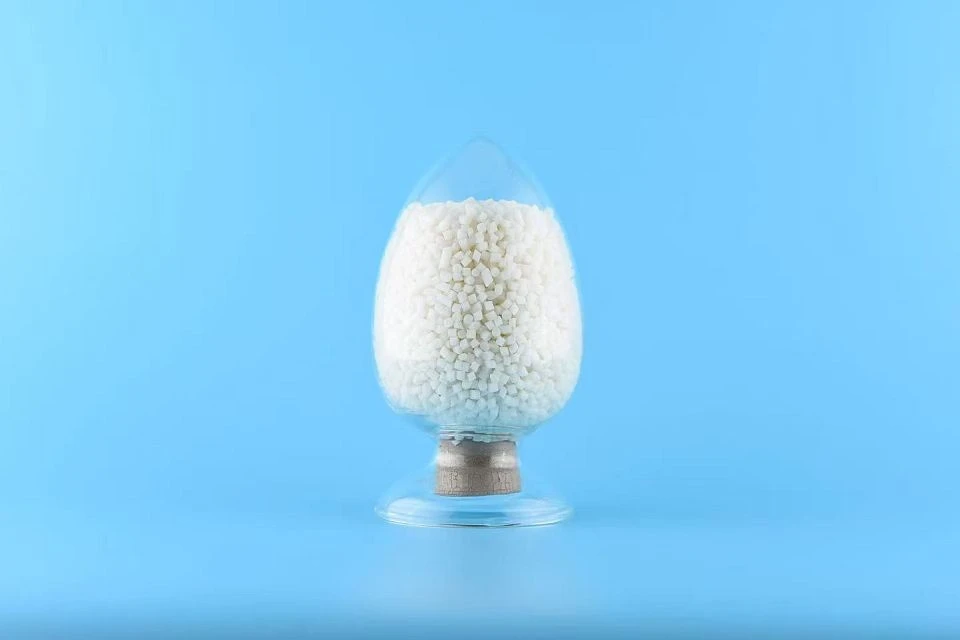
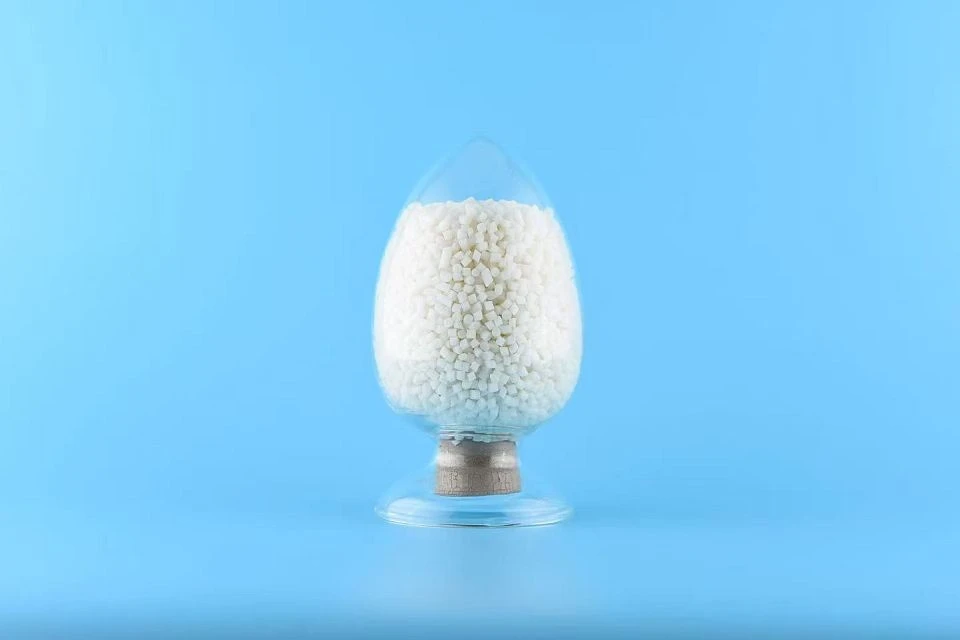
- Rubber Phase Content: The rubber phase in TPV compounds provides elasticity and flexibility. A higher rubber phase content generally results in greater flexibility.
- Crosslinking Density: The degree of crosslinking in the rubber phase affects the flexibility of TPV. A lower crosslinking density allows for more movement of the rubber chains, leading to increased flexibility.
- Plastic Phase Properties: The plastic phase in TPV compounds provides stiffness and processability. The type and properties of the plastic phase can influence the overall flexibility of the TPV.
- Additives and Fillers: The addition of certain additives and fillers can modify the flexibility of TPV compounds. For example, plasticizers can increase the flexibility by reducing the intermolecular forces between the polymer chains.
Strategies to Enhance TPV Flexibility
1. Optimize the Rubber Phase Content
One of the most straightforward ways to enhance the flexibility of TPV compounds is to increase the rubber phase content. By adjusting the formulation to include a higher proportion of rubber, the TPV can exhibit greater elasticity and flexibility. However, it is important to note that increasing the rubber phase content may also affect other properties of the TPV, such as hardness, tensile strength, and processability. Therefore, a careful balance needs to be struck to achieve the desired level of flexibility without compromising other important properties.
2. Control the Crosslinking Density
The crosslinking density of the rubber phase in TPV compounds can be controlled through the use of appropriate crosslinking agents and processing conditions. A lower crosslinking density allows for more movement of the rubber chains, resulting in increased flexibility. However, too low a crosslinking density may lead to poor mechanical properties and reduced durability. Therefore, it is crucial to optimize the crosslinking density to achieve the desired balance between flexibility and mechanical performance.
3. Select the Right Plastic Phase
The choice of plastic phase can have a significant impact on the flexibility of TPV compounds. Different types of plastics have different properties, and some may be more suitable for enhancing flexibility than others. For example, polyolefins such as polyethylene and polypropylene are commonly used as the plastic phase in TPV compounds due to their relatively low stiffness and good compatibility with the rubber phase. By selecting the right plastic phase and adjusting its properties, the flexibility of the TPV can be improved.
4. Use Plasticizers
Plasticizers are additives that can be used to increase the flexibility of TPV compounds. They work by reducing the intermolecular forces between the polymer chains, allowing them to move more freely. Plasticizers can be added to the TPV formulation during the compounding process. However, it is important to choose the right plasticizer and use it in the appropriate amount, as excessive use of plasticizers can lead to issues such as migration, blooming, and reduced mechanical properties.
5. Incorporate Elastomeric Fillers
Elastomeric fillers, such as natural rubber or synthetic rubber powders, can be incorporated into the TPV compounds to enhance their flexibility. These fillers can act as additional rubber phases, increasing the overall rubber content and improving the elasticity of the TPV. Elastomeric fillers can also help to improve the dispersion of the rubber phase in the plastic matrix, leading to better mechanical properties.
6. Optimize the Processing Conditions
The processing conditions during the production of TPV compounds can also affect their flexibility. For example, the temperature, shear rate, and residence time during compounding and molding can influence the crosslinking density, molecular orientation, and dispersion of the rubber phase. By optimizing the processing conditions, the flexibility of the TPV compounds can be improved.
Applications of Flexible TPV Compounds
Enhancing the flexibility of TPV compounds opens up a wide range of applications in various industries. Some of the common applications of flexible TPV compounds include:
- TPV Communication Accessories: Flexible TPV compounds are used in the production of communication accessories such as cable jackets, connectors, and gaskets. Their flexibility allows for easy installation and movement, while their excellent electrical insulation properties ensure reliable performance.
- TPV Plastic: TPV plastic with enhanced flexibility is used in the manufacturing of consumer goods such as toys, sporting goods, and household items. The flexibility of the TPV provides a soft and comfortable feel, making it suitable for products that come into contact with the human body.
- TPV Wire Harnesses: Flexible TPV compounds are widely used in the production of wire harnesses for automotive, electrical, and electronic applications. Their flexibility allows for easy routing and installation of the wires, while their resistance to abrasion and chemicals ensures long-term durability.
- TPV Automotive Interior: In the automotive industry, flexible TPV compounds are used for interior applications such as door seals, instrument panels, and armrests. Their flexibility provides a comfortable and noise-reducing environment for the passengers, while their excellent weather resistance and UV stability ensure long-term performance.
- TPV Automotive Exterior Accessories: TPV compounds with enhanced flexibility are also used in the production of automotive exterior accessories such as bumpers, fenders, and grilles. Their flexibility allows for easy shaping and molding, while their impact resistance and weatherability ensure long-term durability.
Conclusion
Enhancing the flexibility of TPV compounds is a critical aspect of improving their performance and expanding their applications. By understanding the factors that affect TPV flexibility and implementing the appropriate strategies, such as optimizing the rubber phase content, controlling the crosslinking density, selecting the right plastic phase, using plasticizers, incorporating elastomeric fillers, and optimizing the processing conditions, the flexibility of TPV compounds can be significantly improved. As a TPV Compounds supplier, we are committed to providing high-quality products with enhanced flexibility to meet the diverse needs of our customers. If you are interested in learning more about our TPV Compounds or have any specific requirements, please feel free to contact us for procurement discussions.
References
- Bhowmick, A. K., & Stephens, H. L. (2001). Handbook of thermoplastic elastomers. Marcel Dekker.
- Holden, G., Legge, N. R., Quirk, R. P., & Schroeder, H. E. (1996). Thermoplastic elastomers: A comprehensive review. Hanser Publishers.
- Utracki, L. A. (2002). Polymer blends handbook. Kluwer Academic Publishers.