

Yo, what's up, everyone! I'm a supplier of TPEE Scalpel Sheaths, and today we're gonna dig into a hot topic: Are TPEE scalpel sheaths resistant to wear and tear?
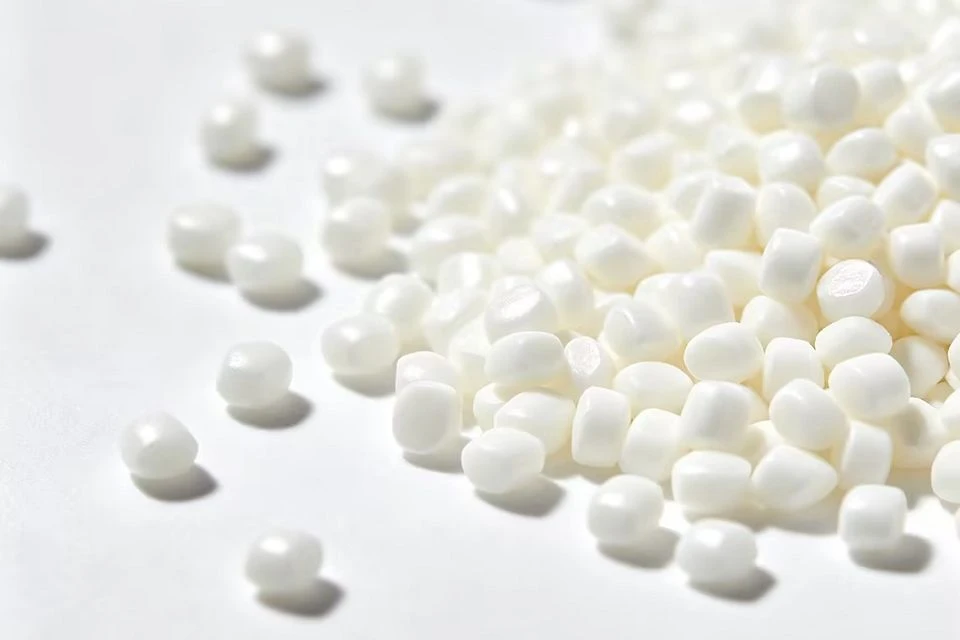
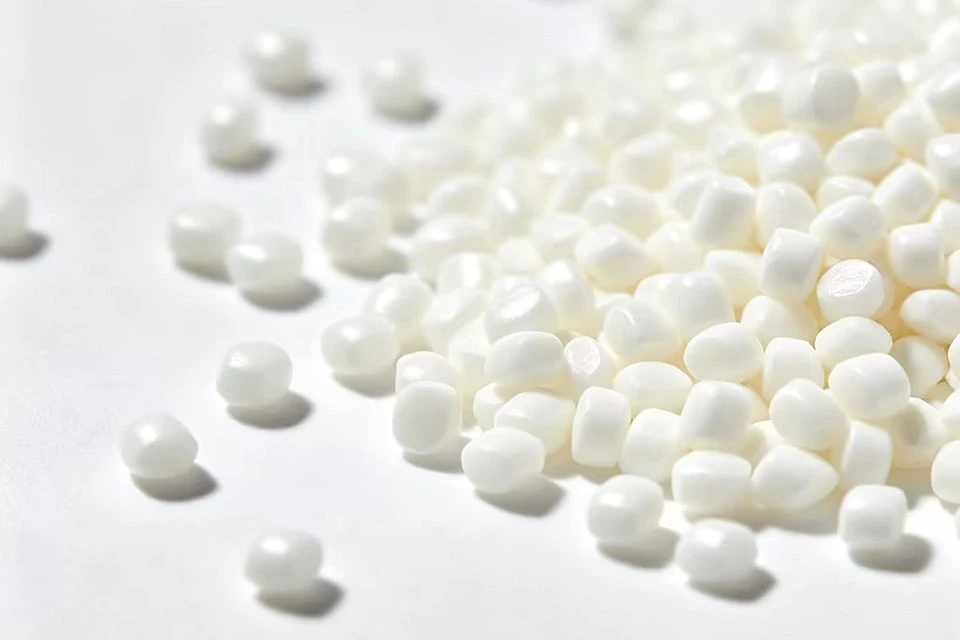
Let's start by getting a bit of background on TPEE. TPEE, or Thermoplastic Polyester Elastomer, is a super - cool material. It's got this unique blend of the high performance of engineering plastics and the flexibility of elastomers. This means it can handle a lot of different situations without losing its shape or integrity.
Now, when it comes to scalpel sheaths, wear and tear are big deal. Scalpel sheaths are used in medical settings, and they need to protect the scalpel blades from damage and contamination. They're constantly being opened and closed, and they might come into contact with all sorts of stuff in the operating room. So, it's crucial that they can stand up to the test of time.
One of the main reasons why TPEE is a top - notch choice for scalpel sheaths is its excellent mechanical properties. TPEE has high tensile strength, which means it can be pulled or stretched a fair bit without breaking. When you're using a scalpel sheath, you might have to apply some force to open or close it, and TPEE can handle that stress without tearing.
It also has good abrasion resistance. In a medical environment, the scalpel sheath could rub against other equipment or surfaces. With TPEE, the outer layer can resist being worn down by these rubbing actions. This is really important because if the sheath starts to wear away, it won't be able to protect the scalpel blade as effectively.
Another great thing about TPEE is its flexibility. It can bend and flex easily, which is super useful for a scalpel sheath. You need to be able to manipulate the sheath to get the scalpel in and out smoothly. And because it's flexible, it doesn't crack or break when you bend it. This flexibility also helps it adapt to different shapes of scalpels.
Let me share some real - world examples. I've been in this business for a while, and I've had feedback from many medical professionals. They've told me that the TPEE scalpel sheaths we supply last way longer compared to other materials. They've used them in numerous surgeries, and the sheaths still look and function great.
But it's not just about the scalpel sheaths. TPEE has a ton of other applications. For example, we also offer TPEE Industrial Dust - Proof Sealing Rings. In industrial settings, these rings need to resist all sorts of dust and debris, and TPEE's wear - resistant properties make it a perfect choice.
TPEE Medical Equipment Accessories are another area where TPEE shines. From small components to larger parts of medical devices, TPEE can handle the wear and tear that comes with regular use in a medical environment.
And it's not limited to the medical and industrial fields. We have TPEE Laptop Accessories as well. Laptops are used daily, and the accessories need to withstand being moved around, bumped, and maybe even dropped. TPEE's durability makes it a great option for protecting and enhancing your laptop.
If you're into cars, you might be interested in our TPEE Automotive Exterior Accessories. These accessories are exposed to the elements, road debris, and lots of movement. TPEE can take all that abuse and still look good as new.
Okay, back to the scalpel sheaths. Some people might wonder, how do we test the wear - and - tear resistance? Well, we use a variety of methods. One common test is the taber abrasion test. In this test, the TPEE scalpel sheaths are rubbed against an abrasive wheel for a set number of rotations. We then measure the amount of material that's been worn off. Our TPEE sheaths have shown really low levels of wear in these tests.
We also do cyclic testing. This involves opening and closing the sheaths thousands of times to simulate real - world use. The TPEE sheaths hold up well, with no signs of tearing or significant damage even after all those cycles.
In conclusion, TPEE scalpel sheaths are definitely resistant to wear and tear. Their high tensile strength, abrasion resistance, and flexibility make them a great choice for protecting scalpels in the medical field. And if you're in need of other TPEE products like the ones I mentioned earlier, we've got you covered too.
If you're interested in purchasing our TPEE Scalpel Sheaths or any of our other great TPEE products, don't hesitate to reach out. We're always open to discussing your needs and finding the best solutions for you. You can visit our TPEE Scalpel Sheaths page for more details.
References
- ASTM D4060 - Standard Test Method for Abrasion Resistance of Organic Coatings by the Taber Abraser
- Various internal product tests and customer feedback