

In the realm of fitness, the importance of a good grip cannot be overstated. Whether you're lifting weights, doing yoga, or engaging in high - intensity interval training, a secure hold on fitness equipment can enhance performance, prevent injuries, and improve overall workout experience. As a TPE (Thermoplastic Elastomer) fitness products supplier, I've had the privilege of exploring the relationship between TPE materials and grip quality extensively. In this blog, I will delve into the science behind TPE's grip, share real - world examples, and discuss how our TPE fitness products stack up in terms of providing a reliable hold.
Understanding the Science of Grip
Grip, in essence, is a result of friction between two surfaces. When you hold a fitness product made of TPE, the interaction between the palm of your hand and the TPE material determines how well you can grasp and manipulate the equipment. Friction can be divided into two main types: static friction, which prevents an object from starting to move, and kinetic friction, which acts on an object in motion. For fitness applications, static friction is especially crucial as it allows you to initiate and maintain a hold on weights, bars, or handles.
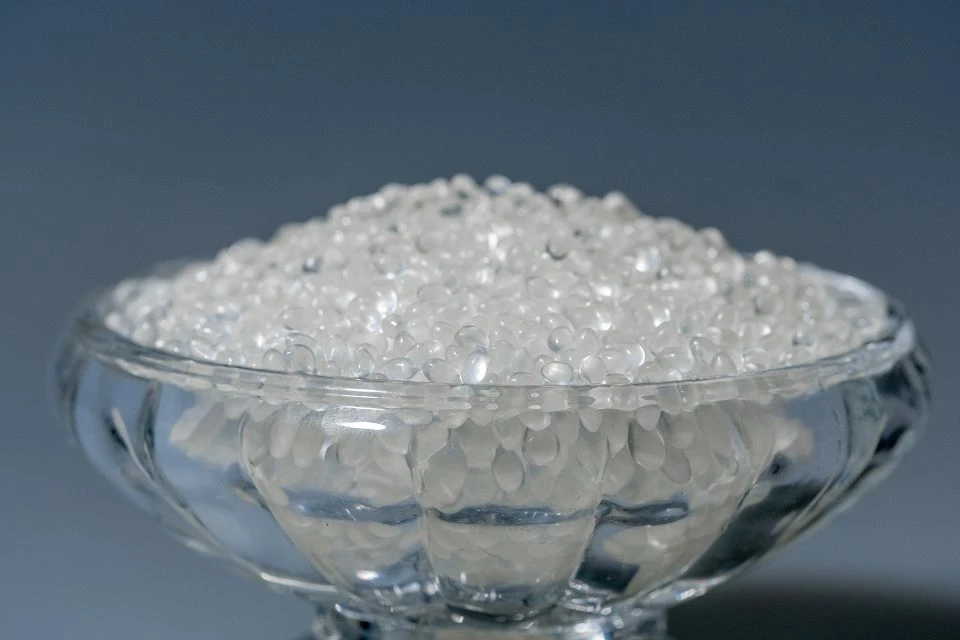
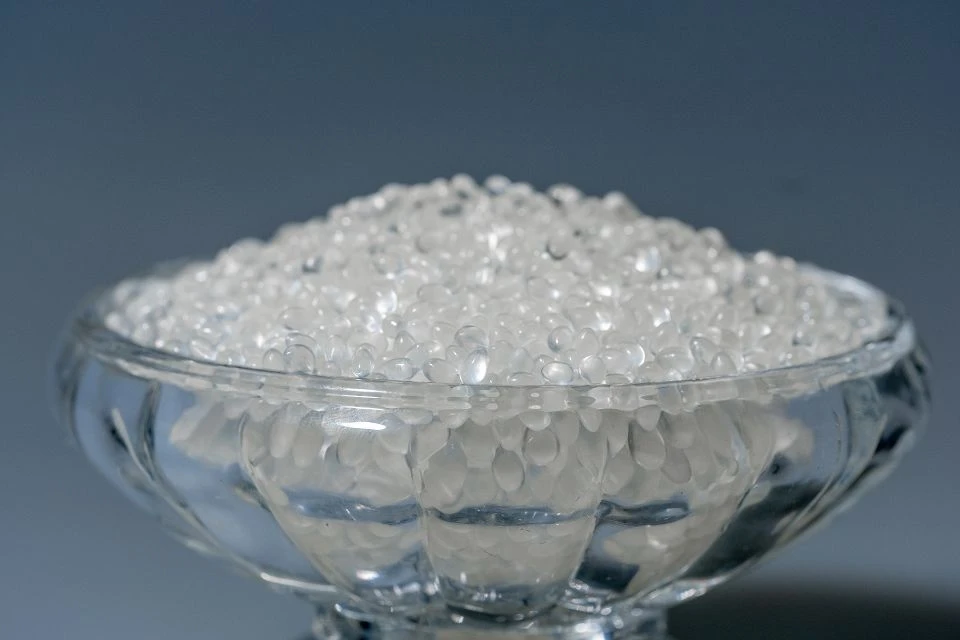
The surface properties of TPE play a significant role in determining its grip. TPE materials can have a range of textures, from smooth to rough. A micro - textured surface can increase the contact area between the hand and the TPE, thereby enhancing friction. Additionally, TPE's ability to conform to the shape of the hand provides a custom - fit grip, further improving the overall holding experience.
TPE's Physical Properties and Grip
One of the key features of TPE is its elasticity. This property allows TPE to deform slightly when pressure is applied, such as when you grip a TPE - coated dumbbell. The deformation creates a more intimate contact with the hand, increasing the frictional forces between the two surfaces. For example, when you hold a TPE dumbbell during a bicep curl, the material will mold slightly to the contours of your fingers, providing a more secure hold compared to a rigid, non - conforming material.
TPE also has excellent shock - absorbing capabilities. This is beneficial in fitness products as it can reduce the vibration and impact transferred to the hand during a workout. A comfortable hand during exercise leads to better focus and a more consistent grip. For instance, in a TPE - padded weightlifting belt, the shock absorption helps to keep your hands firmly on the belt, even when you're performing heavy squats or deadlifts.
Real - World Examples of TPE Fitness Products with Good Grip
TPE - Coated Handheld Weights
Our TPE - coated handheld weights are a prime example of how TPE can provide a superior grip. The TPE coating not only adds a soft touch but also offers anti - slip properties. Many users have reported that they feel more confident lifting these weights compared to traditional metal or plastic ones. The micro - texture on the TPE surface works in tandem with the elasticity of the material to create a secure hold, even when hands are slightly sweaty.
TPE Yoga Mats
Yoga requires precise movements and a stable base. Our TPE yoga mats are designed to offer excellent grip on both the floor and the user's body. The bottom surface of the mat has a pattern that enhances friction with the floor, preventing the mat from sliding during poses. On the top surface, the TPE material provides a comfortable and grippy surface for hands and feet. Whether you're in a downward dog or a warrior pose, you can trust that the mat will hold you securely in place.
Comparison with Other Materials
Compared to materials like rubber and plastic, TPE has several advantages when it comes to grip. Rubber can be heavy and may have a strong odor, which can be off - putting for some fitness enthusiasts. Plastic, on the other hand, is often too slippery or too hard, leading to an uncomfortable and insecure grip.
TPE combines the best of both worlds. It is lightweight, odor - free, and offers a balance between softness and firmness. It can be engineered to have a specific level of grip depending on the application. For example, in a TPE - wrapped powerlifting bar, the material can be formulated to provide a very high - friction surface, allowing lifters to maintain a tight hold even under extreme loads.
Applications of TPE Beyond Fitness
TPE is a versatile material used in various industries beyond fitness. It also finds applications in cleaning equipment accessories, router accessories, backed carpets, shoe materials, and wire harnesses. You can learn more about these applications by visiting the following links: TPE Cleaning Equipment Accessories, TPE Router Accessories, TPE Backed Carpet, TPE Shoe Materials, TPE Wire Harness.
Environmental Considerations
In addition to its excellent grip properties, TPE is also an environmentally friendly material. It is recyclable and can be reused in the manufacturing process, reducing waste and the environmental impact. For fitness facilities and consumers who are conscious of their environmental footprint, TPE fitness products offer a sustainable choice.
Contacting for Purchase and Collaboration
If you're interested in our TPE fitness products and want to discuss a potential purchase, we're more than happy to engage in a conversation. Whether you're a fitness studio owner looking to equip your facility, a distributor seeking high - quality products to add to your inventory, or a retailer aiming to meet the growing demand for top - notch fitness gear, our team is ready to provide detailed information. We can talk about product specifications, pricing, and customization options tailored to your specific needs. Reach out to us, and let's explore how our TPE fitness products can enhance your business or fitness experience.
References
- "Engineering Tribology" by Stachowiak, G.W., and Batchelor, A.W.
- "Materials Science and Engineering: An Introduction" by Callister, W.D., and Rethwisch, D.G.
- Industry reports on TPE materials and their applications in fitness products.