

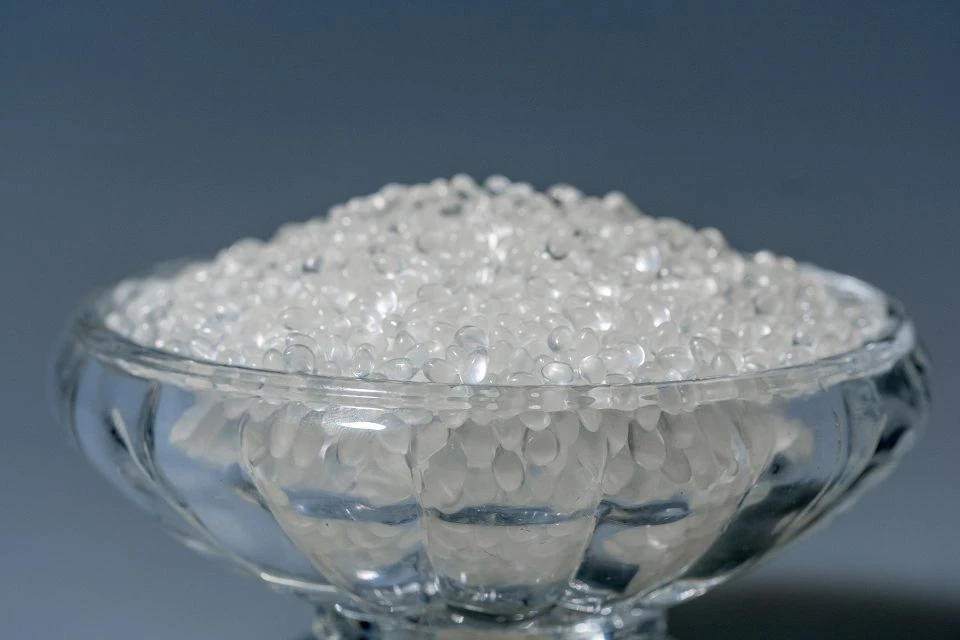
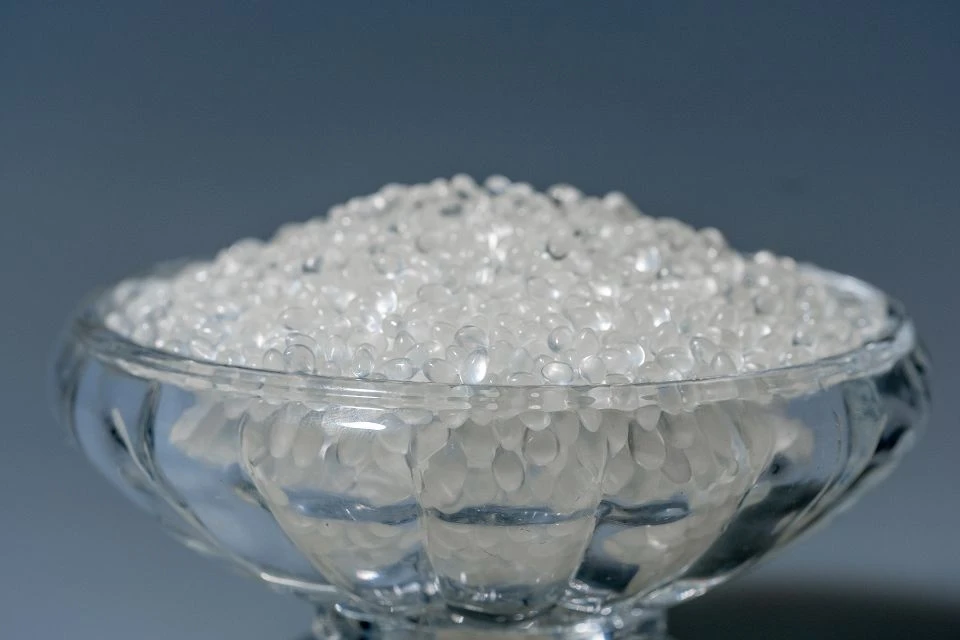
TPE, or Thermoplastic Elastomer, has become a popular material in the manufacturing of power tool handles due to its unique combination of properties. As a leading supplier of TPE power tool handles, I often receive inquiries about the softness level of our products. In this blog post, I will delve into what the softness level of TPE power tool handles means, how it is measured, and why it matters.
Understanding the Concept of Softness in TPE Power Tool Handles
Softness in the context of TPE power tool handles refers to the material's ability to deform under pressure and conform to the user's grip. A softer TPE handle provides a more comfortable grip, reducing hand fatigue during extended use. It also helps to absorb vibrations generated by the power tool, which can contribute to a better user experience and potentially reduce the risk of repetitive strain injuries.
However, it's important to note that softness is not the only factor to consider when evaluating TPE power tool handles. Other properties such as durability, chemical resistance, and temperature resistance also play crucial roles in determining the overall performance of the handle.
Measuring the Softness of TPE
The softness of TPE is typically measured using the Shore hardness scale. The Shore scale is a standardized method for measuring the hardness of rubber and plastic materials. There are different types of Shore hardness tests, but the most commonly used for TPE materials is the Shore A scale.
The Shore A scale ranges from 0 to 100, with lower numbers indicating a softer material and higher numbers indicating a harder material. For TPE power tool handles, the softness level usually falls within the range of 30 - 80 Shore A. Handles with a Shore A hardness of around 30 - 40 are considered very soft and offer a high level of comfort and vibration absorption. Handles with a Shore A hardness of 60 - 80 are relatively harder and provide more durability and resistance to wear and tear.
Factors Affecting the Softness Level of TPE Power Tool Handles
Several factors can influence the softness level of TPE power tool handles. These include the formulation of the TPE material, the manufacturing process, and the design of the handle.
- TPE Formulation: The formulation of TPE can be adjusted to achieve different levels of softness. By varying the ratio of the polymer components and the addition of plasticizers or other additives, manufacturers can fine - tune the softness of the TPE material. For example, increasing the amount of plasticizer in the formulation will generally result in a softer TPE.
- Manufacturing Process: The manufacturing process can also affect the softness of the TPE handle. Injection molding is a common method for producing TPE power tool handles. The processing parameters such as temperature, pressure, and cooling rate can influence the final properties of the TPE, including its softness.
- Handle Design: The design of the power tool handle can impact the perceived softness. For example, a handle with a thicker cross - section may feel softer than a thinner one, even if they are made of the same TPE material. Additionally, the shape of the handle and the presence of ergonomic features can enhance the comfort and grip, making the handle feel softer in use.
Importance of the Softness Level in Power Tool Handles
The softness level of TPE power tool handles is of great importance for several reasons.
- User Comfort: A soft TPE handle conforms to the shape of the user's hand, providing a more natural and comfortable grip. This is especially important for power tools that are used for long periods of time, such as drills, sanders, and grinders. Reducing hand fatigue can improve productivity and user satisfaction.
- Vibration Damping: Power tools generate vibrations during operation, which can cause discomfort and even long - term health problems. A soft TPE handle can absorb and dampen these vibrations, reducing the amount of vibration transmitted to the user's hand. This not only improves comfort but also helps to prevent conditions such as hand - arm vibration syndrome (HAVS).
- Safety: A comfortable and secure grip on a power tool is essential for safety. A soft TPE handle provides better traction, reducing the risk of the tool slipping out of the user's hand during operation. This can prevent accidents and injuries in the workplace.
Our Offerings as a TPE Power Tool Handle Supplier
As a TPE power tool handle supplier, we offer a wide range of softness levels to meet the diverse needs of our customers. Our TPE power tool handles are available in Shore A hardness values from 30 to 80, allowing customers to choose the softness level that best suits their specific application and user requirements.
In addition to power tool handles, we also supply TPE materials for other applications. If you are interested in TPE casters, you can visit TPE Casters. For TPE fitness products, check out TPE Fitness Products. Our TPE textile equipment accessories can be found at TPE Textile Equipment Accessories. We also offer TPE medical accessories at TPE Medical Accessories and TPE electronic accessories at TPE Electronic Accessories.
Contact Us for Procurement
If you are in the market for high - quality TPE power tool handles or other TPE products, we would be delighted to assist you. Our team of experts can help you select the right softness level and product for your specific needs. We are committed to providing excellent customer service and delivering products that meet the highest standards of quality. Contact us today to start the procurement process and discuss your requirements.
References
- ASTM D2240 - 15, Standard Test Method for Rubber Property - Durometer Hardness.
- International Organization for Standardization (ISO 868:2003), Plastics and ebonite — Determination of indentation hardness by means of a durometer (Shore hardness).
- “Ergonomics in Power Tool Design” by the National Institute for Occupational Safety and Health (NIOSH).