

TPE, or Thermoplastic Elastomer, has become a popular material in various industries due to its unique combination of rubber-like elasticity and thermoplastic processability. As a leading supplier of TPE Luggage Edge Trim, I often encounter questions about the hardness of our products. In this blog post, I will delve into the concept of TPE hardness, its significance in the context of luggage edge trim, and how it impacts the performance and quality of our offerings.
Understanding TPE Hardness
Hardness is a fundamental property of TPE materials that refers to their resistance to indentation or deformation. It is typically measured using standardized scales such as the Shore hardness scale, which is widely used in the rubber and plastic industries. The Shore scale has different types, with Shore A and Shore D being the most common for TPE materials.
- Shore A Hardness: This scale is used for softer TPE materials, typically ranging from 10A to 95A. Materials with a lower Shore A value are softer and more flexible, while those with a higher value are firmer. For example, a TPE material with a Shore A hardness of 30A will be very soft and pliable, similar to a rubber band, whereas a material with a Shore A hardness of 80A will be relatively firm and less flexible.
- Shore D Hardness: This scale is used for harder TPE materials, typically ranging from 40D to 80D. Materials with a higher Shore D value are harder and more rigid. Shore D hardness is often used for applications where greater stiffness and strength are required.
Significance of Hardness in TPE Luggage Edge Trim
The hardness of TPE luggage edge trim plays a crucial role in determining its performance and suitability for different applications. Here are some key aspects to consider:
Protection and Durability
One of the primary functions of luggage edge trim is to provide protection to the edges of the luggage from impact, abrasion, and scratches. A harder TPE material with a higher Shore hardness value can offer better resistance to impact and abrasion, ensuring that the luggage edges remain intact and undamaged during travel. For example, a luggage edge trim with a Shore A hardness of 70A or higher can effectively absorb and distribute the impact energy, reducing the risk of damage to the luggage.
Flexibility and Fit
On the other hand, a certain degree of flexibility is also required for the luggage edge trim to fit properly around the edges of the luggage. A softer TPE material with a lower Shore hardness value is more flexible and can easily conform to the shape of the luggage edges, providing a snug and secure fit. This is especially important for luggage with irregular or curved edges, where a rigid trim may not fit properly. For example, a luggage edge trim with a Shore A hardness of 50A or lower can be easily bent and shaped to fit the contours of the luggage, ensuring a seamless and aesthetically pleasing appearance.
Comfort and Safety
In addition to protection and fit, the hardness of TPE luggage edge trim can also affect the comfort and safety of the users. A softer trim may be more comfortable to handle, especially for extended periods of time, as it is less likely to cause discomfort or irritation to the hands. Moreover, a softer trim can also reduce the risk of injury in case of accidental contact, as it is less likely to cause sharp edges or cuts.
Factors Affecting TPE Hardness
The hardness of TPE materials can be influenced by several factors, including:
- Polymer Composition: The type and ratio of polymers used in the TPE formulation can significantly affect its hardness. Different polymers have different inherent hardness properties, and by adjusting the polymer composition, the hardness of the TPE material can be tailored to meet specific requirements.
- Filler Content: The addition of fillers such as calcium carbonate, silica, or carbon black can increase the hardness of the TPE material. Fillers are often used to improve the mechanical properties, such as strength and stiffness, of the TPE.
- Plasticizer Content: Plasticizers are additives used to increase the flexibility and softness of the TPE material. By adjusting the plasticizer content, the hardness of the TPE can be reduced. However, excessive use of plasticizers can also have a negative impact on the mechanical properties and durability of the TPE.
Choosing the Right Hardness for TPE Luggage Edge Trim
Choosing the right hardness for TPE luggage edge trim depends on several factors, including the intended application, the type of luggage, and the user's preferences. Here are some general guidelines to consider:

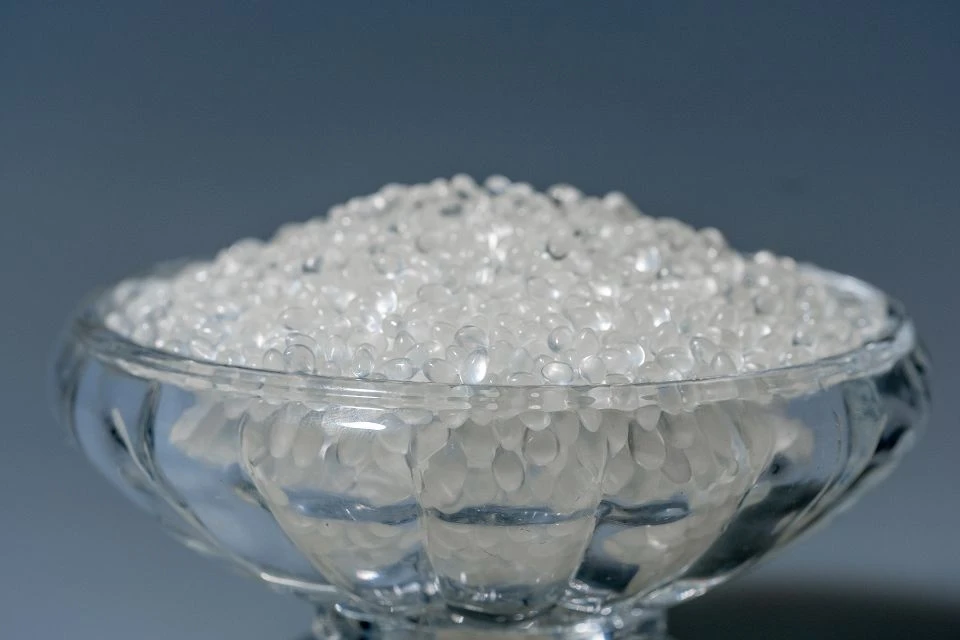
- For Soft-Sided Luggage: Soft-sided luggage requires a more flexible and pliable edge trim to fit around the curves and contours of the luggage. A TPE material with a Shore A hardness of 30A to 50A is typically recommended for soft-sided luggage.
- For Hard-Sided Luggage: Hard-sided luggage requires a more rigid and durable edge trim to provide better protection against impact and abrasion. A TPE material with a Shore A hardness of 60A to 80A is typically recommended for hard-sided luggage.
- For Heavy-Duty Applications: For heavy-duty applications, such as luggage used for frequent travel or in rough environments, a harder TPE material with a Shore D hardness of 40D to 60D may be required to provide maximum protection and durability.
Our TPE Luggage Edge Trim Offerings
At our company, we offer a wide range of TPE luggage edge trim products with different hardness levels to meet the diverse needs of our customers. Our products are made from high-quality TPE materials that are carefully formulated to ensure optimal performance and durability.
- Soft and Flexible Trim: Our soft and flexible trim is made from TPE materials with a Shore A hardness of 30A to 50A. This type of trim is ideal for soft-sided luggage and provides a comfortable and secure fit.
- Firm and Durable Trim: Our firm and durable trim is made from TPE materials with a Shore A hardness of 60A to 80A. This type of trim is suitable for hard-sided luggage and offers excellent protection against impact and abrasion.
- Heavy-Duty Trim: Our heavy-duty trim is made from TPE materials with a Shore D hardness of 40D to 60D. This type of trim is designed for heavy-duty applications and provides maximum protection and durability.
In addition to our standard offerings, we also offer custom-made TPE luggage edge trim products to meet the specific requirements of our customers. Our experienced team of engineers and technicians can work with you to develop a customized solution that meets your exact needs.
Other TPE Products
In addition to TPE luggage edge trim, we also offer a wide range of other TPE products for various industries. Some of our popular products include TPE Power Tool Handles, TPE Textile Equipment Accessories, TPE Skin-Contact Products, and TPE Router Accessories. Our TPE products are known for their high quality, performance, and durability, and are widely used in various applications around the world.
Contact Us for Procurement
If you are interested in our TPE luggage edge trim products or any of our other TPE offerings, please feel free to contact us. Our sales team will be happy to assist you with your procurement needs and provide you with more information about our products and services. We look forward to working with you to meet your TPE requirements.
References
- ASTM D2240 - Standard Test Method for Rubber Property - Durometer Hardness
- ISO 868 - Plastics and Ebonite - Determination of Indentation Hardness by Means of a Durometer (Shore Hardness)