

Hey there! As a supplier of TPE Luggage Edge Trim, I often get asked about the electrical insulation properties of our product. So, I thought I'd take a moment to break it down for you.
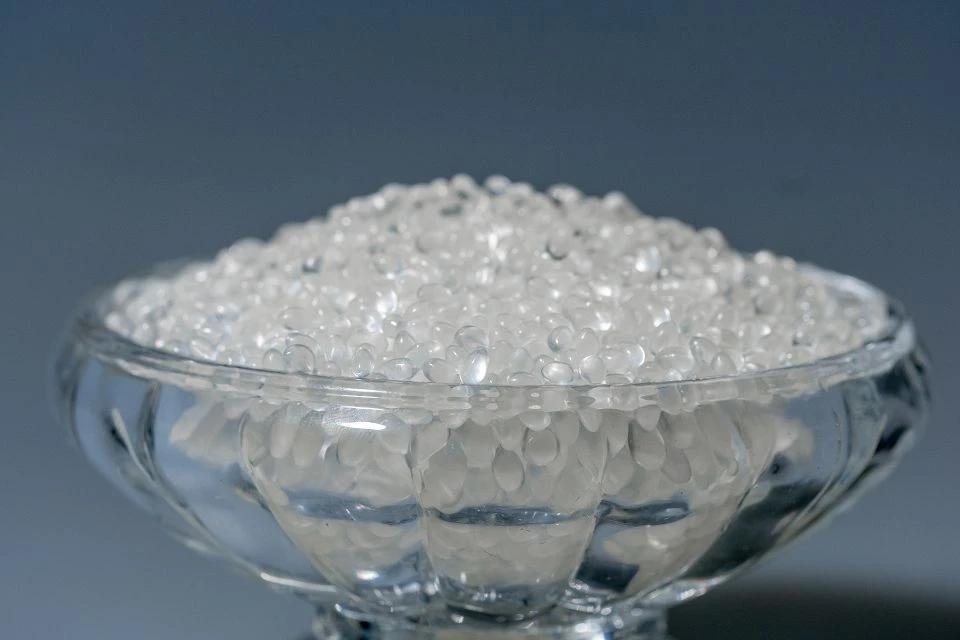
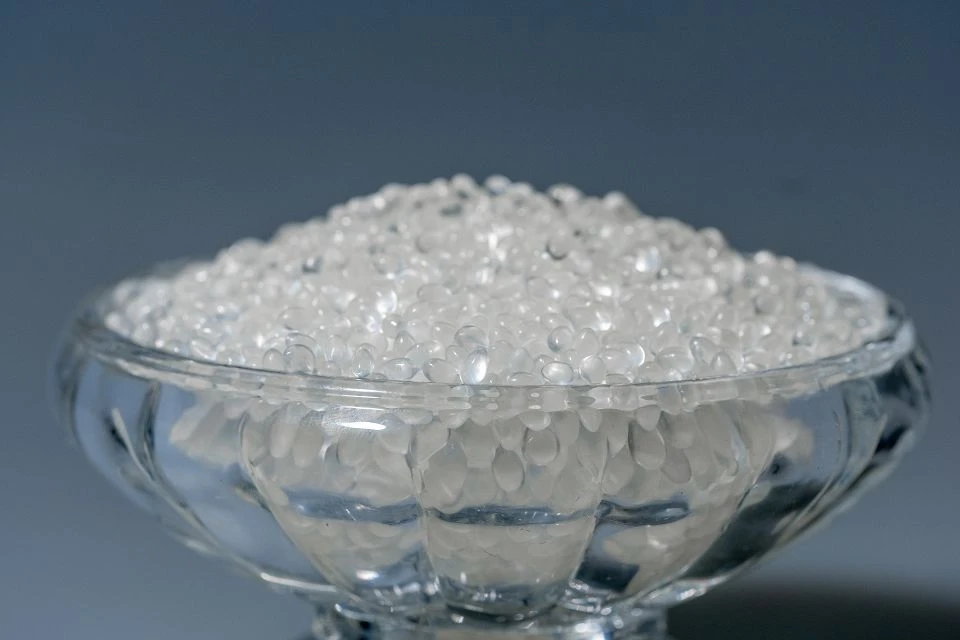
First off, let's talk about what TPE is. TPE stands for Thermoplastic Elastomer. It's a type of material that combines the best of both plastics and rubbers. It's flexible, durable, and can be easily molded into different shapes, which makes it perfect for luggage edge trim.
Now, when it comes to electrical insulation, TPE has some pretty cool features. Electrical insulation is all about preventing the flow of electric current. In other words, it keeps electricity from going where it's not supposed to go. TPE is a great insulator because it has a high electrical resistance. This means that it doesn't allow electric current to pass through it easily.
One of the reasons TPE is such a good insulator is its molecular structure. TPE is made up of long chains of molecules that are tangled together. These chains act like a barrier, making it difficult for electrons to move through the material. As a result, the flow of electric current is restricted, and the material can effectively insulate against electricity.
Another factor that contributes to TPE's electrical insulation properties is its low dielectric constant. The dielectric constant is a measure of how easily a material can store electrical energy. A low dielectric constant means that the material doesn't store much electrical energy, which is ideal for insulation. TPE has a relatively low dielectric constant, which makes it a good choice for applications where electrical insulation is required.
So, why is electrical insulation important for TPE Luggage Edge Trim? Well, for starters, it adds an extra layer of safety. Luggage often contains electronic devices such as laptops, smartphones, and chargers. If there's a short circuit or an electrical fault, the insulation provided by the TPE edge trim can help prevent the spread of electricity and reduce the risk of fire or electrical shock.
In addition to safety, electrical insulation can also help protect the electronic components inside the luggage. By preventing the flow of electric current, the insulation can help prevent damage to the devices and ensure that they function properly.
Now, let's take a look at some of the other applications of TPE. TPE is a versatile material that can be used in a wide range of products. For example, you can check out TPE Shoe Materials. TPE is used in shoe materials because of its flexibility, comfort, and durability. It can provide a good grip and shock absorption, making it ideal for shoes.
Another application is TPE Casters. TPE casters are used in furniture, equipment, and other items that need to be moved around. The material's flexibility and durability make it a great choice for casters, as it can withstand the wear and tear of daily use.
TPE Kitchen Utensils are also becoming increasingly popular. TPE is heat-resistant and easy to clean, which makes it suitable for kitchen utensils. It can provide a comfortable grip and is safe to use with food.
TPE Cleaning Equipment Accessories are another area where TPE is used. The material's flexibility and durability make it ideal for cleaning equipment, such as brushes and squeegees.
Finally, TPE Textile Equipment Accessories are also a growing market. TPE can be used in textile equipment to provide a smooth and efficient operation.
As a supplier of TPE Luggage Edge Trim, we take pride in offering high-quality products that meet the needs of our customers. Our TPE Luggage Edge Trim is not only a great insulator but also offers excellent durability, flexibility, and aesthetic appeal.
If you're in the market for TPE Luggage Edge Trim or any of our other TPE products, I encourage you to reach out to us. We'd be happy to discuss your requirements and provide you with a quote. Whether you're a luggage manufacturer, a retailer, or an individual looking for a high-quality product, we can help.
So, don't hesitate to contact us for all your TPE needs. Let's work together to find the perfect solution for your business.
References:
- "Thermoplastic Elastomers: Structure, Properties, and Applications" by K. L. Mittal
- "Electrical Insulation Materials: Properties and Applications" by John W. Nelson