

Blow molding is a manufacturing process used to produce hollow plastic parts. When it comes to TPV (Thermoplastic Vulcanizate) compounds, the right blow - molding parameters are crucial for achieving high - quality products. As a TPV compounds supplier, I understand the significance of these parameters and how they can impact the final product. In this blog, we will delve into the key blow - molding parameters for TPV compounds.
1. Temperature
Temperature is one of the most critical factors in blow molding TPV compounds. There are three main temperature - related aspects to consider:
Barrel Temperature
The barrel temperature affects the melting of the TPV compound. TPV compounds have a specific melting range, and the barrel temperature should be set within this range. If the temperature is too low, the TPV may not melt properly, leading to incomplete filling of the mold and poor part quality. On the other hand, if the temperature is too high, the TPV can degrade, resulting in a change in its physical properties such as reduced strength and elasticity.
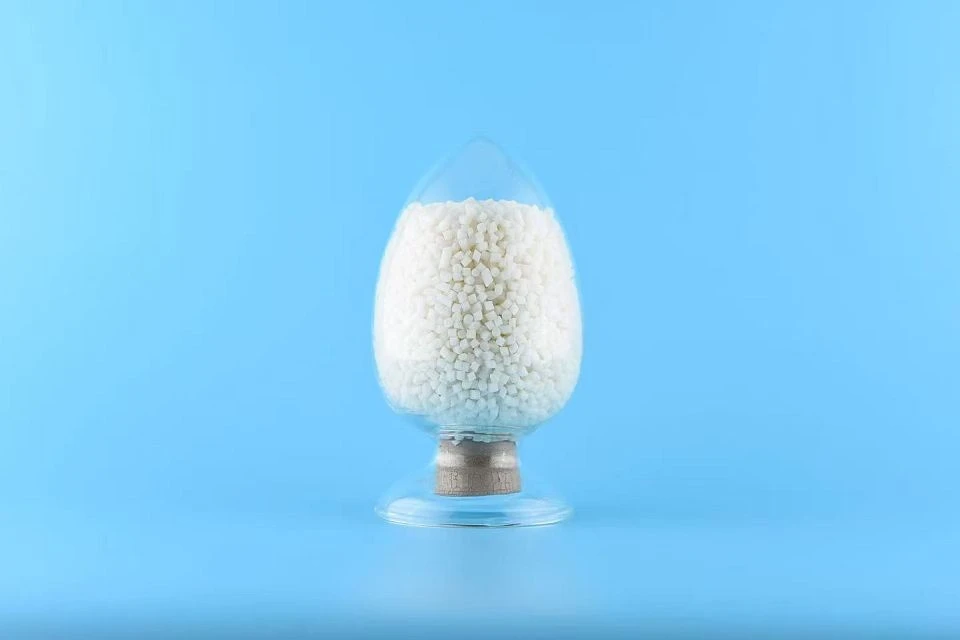
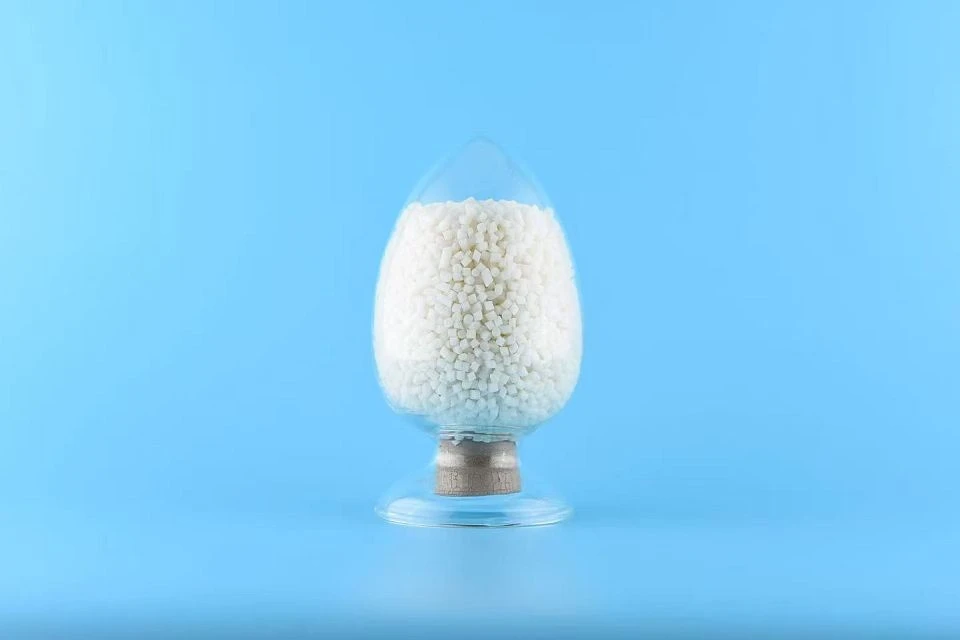
Typically, for most TPV compounds used in blow molding, the barrel temperature is set between 170°C and 230°C. However, this can vary depending on the specific grade of the TPV compound, its formulation, and the requirements of the final product. For example, TPV compounds with higher filler content may require a slightly higher barrel temperature to ensure complete melting.
Mold Temperature
The mold temperature influences the cooling rate of the blown part. A proper mold temperature helps in achieving good surface finish, dimensional stability, and part strength. If the mold temperature is too high, the part will cool slowly, which can lead to longer cycle times and potential warping. If it is too low, the part may cool too quickly, causing internal stresses, which can result in cracking or poor surface appearance.
For TPV blow molding, the mold temperature is often maintained between 20°C and 60°C. This temperature range allows for a controlled cooling process, ensuring that the part retains its shape and properties.
Processing Temperature
The overall processing temperature also takes into account the temperature of the hot runner system (if used) and the temperature of the air used for blowing. The hot runner system should be maintained at a temperature that keeps the TPV compound in a molten state as it flows into the mold. The blowing air temperature can affect the expansion and cooling of the TPV parison. In general, room - temperature air is used for blowing, but in some cases, slightly heated air may be used to improve the stretchability of the TPV.
2. Pressure
Pressure plays a vital role in blow molding TPV compounds, and there are two main types of pressure to consider:
Injection Pressure
Injection pressure is used to force the molten TPV compound from the barrel into the mold cavity through the parison head. The injection pressure should be sufficient to fill the mold completely but not so high that it causes excessive flashing or damage to the mold. The required injection pressure depends on factors such as the viscosity of the TPV compound, the size and complexity of the mold, and the length of the flow path.
For TPV compounds, the injection pressure usually ranges from 50 to 200 MPa. Higher - viscosity TPV compounds or molds with long flow paths may require higher injection pressures.
Blowing Pressure
Blowing pressure is used to expand the molten TPV parison to fill the mold cavity. The blowing pressure affects the thickness distribution of the final part, the surface finish, and the overall shape. If the blowing pressure is too low, the part may not be fully expanded, resulting in a thin - walled area or incomplete filling. If the blowing pressure is too high, it can cause the parison to rupture or lead to a non - uniform thickness distribution.
Typically, the blowing pressure for TPV blow molding is in the range of 0.2 to 1.0 MPa. The exact value depends on the size and shape of the part, as well as the properties of the TPV compound.
3. Flow Rate
The flow rate of the TPV compound during injection and blowing is another important parameter.
Injection Flow Rate
The injection flow rate determines how quickly the molten TPV is injected into the parison head. A proper injection flow rate ensures that the mold is filled evenly and without defects. If the injection flow rate is too slow, the TPV may start to cool before the mold is fully filled, leading to weld lines or incomplete filling. If the flow rate is too fast, it can cause excessive turbulence, resulting in air entrapment and poor surface quality.
The injection flow rate is usually adjusted based on the size and shape of the part, as well as the properties of the TPV compound. For example, for larger parts, a higher injection flow rate may be required to fill the mold in a timely manner.
Blowing Flow Rate
The blowing flow rate affects how quickly the parison is expanded to fill the mold cavity. A well - controlled blowing flow rate helps in achieving a uniform thickness distribution across the part. If the blowing flow rate is too slow, the part may cool unevenly, leading to non - uniform thickness. If it is too fast, the parison may rupture or deform in an uncontrolled manner.
4. Cycle Time
Cycle time is the total time required to complete one blow - molding cycle, including injection, blowing, cooling, and ejection. Optimizing the cycle time is essential for maximizing production efficiency and reducing costs.
The cycle time is influenced by the temperature, pressure, and flow rate parameters. For example, if the mold temperature is set too high, the cooling time will be longer, increasing the overall cycle time. Similarly, if the injection and blowing pressures and flow rates are not optimized, it can lead to longer processing times.
As a TPV compounds supplier, we work closely with our customers to help them optimize the cycle time based on the specific requirements of their products. By fine - tuning the blow - molding parameters, we can help reduce the cycle time without sacrificing product quality.
Applications of TPV Compounds in Blow Molding
TPV compounds are widely used in various industries due to their excellent properties such as good elasticity, chemical resistance, and weatherability. Some of the common applications include:
- TPV Tubing: TPV tubing is used in automotive, medical, and industrial applications. The blow - molding process can produce tubing with different diameters and wall thicknesses, meeting the specific requirements of each application.
- TPV Plastic: TPV plastic can be blow - molded into various shapes, such as containers and bottles. Its good chemical resistance makes it suitable for storing a wide range of substances.
- TPV Engine Peripheral Accessories: In the automotive industry, TPV is used to make engine peripheral accessories such as air ducts and hoses. The blow - molding process ensures that these parts have the right shape and properties to withstand the harsh environment under the hood.
- TPV Automotive Exterior Accessories: TPV is also used for automotive exterior accessories like door seals and weatherstripping. Blow - molding allows for the production of parts with complex shapes and good sealing performance.
- TPV Electrical Appliance Accessories: In the electrical appliance industry, TPV compounds are used to make accessories such as gaskets and seals. The blow - molding process can produce parts with high precision and good electrical insulation properties.
Conclusion
Proper blow - molding parameters are essential for producing high - quality TPV products. Temperature, pressure, flow rate, and cycle time all need to be carefully controlled and optimized. As a TPV compounds supplier, we have the expertise and experience to provide our customers with the right TPV compounds and technical support to achieve the best results in blow molding.
If you are interested in purchasing TPV compounds for your blow - molding applications, we invite you to contact us for further discussion. We can work together to determine the most suitable TPV grade and optimize the blow - molding parameters for your specific needs.
References
- "Plastic Blow Molding: Materials, Processes, and Design" by Don Rosato and Dominick Rosato
- "Thermoplastic Elastomers" by Coran and Patel.