

If you've ever laced up a pair of running shoes, cross-trainers, or even casual sneakers, you've probably handled thermoplastic elastomers (TPE) without even realizing it. As a TPE shoe materials supplier, I get asked this question all the time: Can TPE actually be used for sports shoes? The short answer is a resounding yes-but it's not a one-size-fits-all material, and there are a few key nuances that set it apart from more traditional shoe components like rubber, EVA foam, or polyurethane (PU). Let's break down what makes TPE a game-changer for athletic footwear, how it's currently being used, and why more shoe brands are ditching older materials to make the switch.
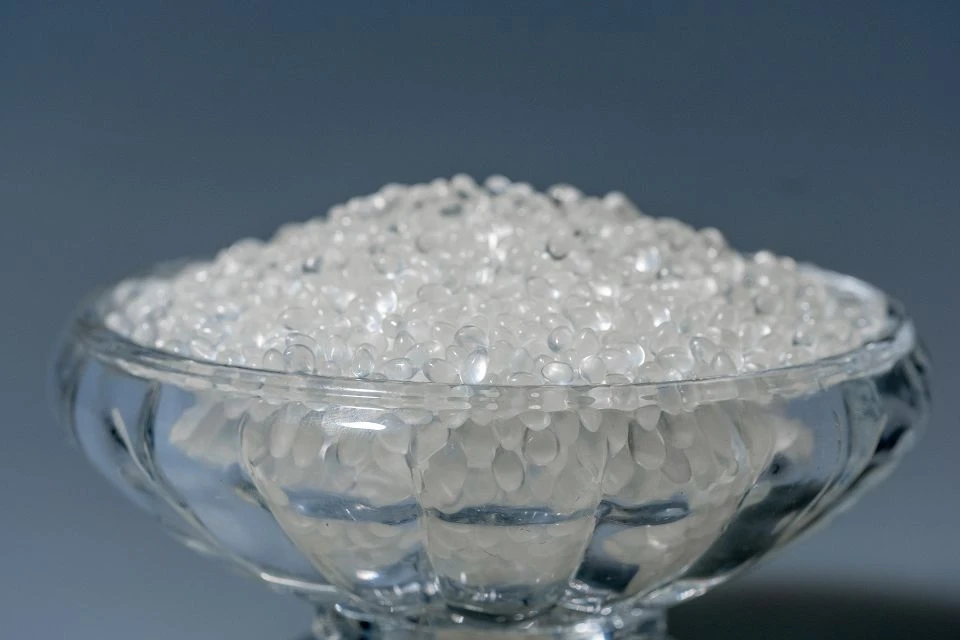
First, let's get clear on what TPE is, for anyone who's new to the material. Unlike thermoset rubber, which requires vulcanization (a chemical process that locks its structure in permanently), TPE is a plastic that acts like rubber when stretched. It's flexible, durable, and can be melted and reshaped multiple times, which makes it incredibly versatile for manufacturing. For our business, that versatility is why we've invested so heavily in perfecting TPE blends specifically tailored for shoe applications, instead of spreading our focus across other industries like cleaning equipment, wire harnesses, or pet products (though we do offer high-quality TPE pellets for those sectors too-check out our pages for TPE Pellets for Cleaning Equipment, TPE Pellets for Wire Harness, and TPE Pellets for Pet Products if you're working on projects outside footwear). For sports shoes, though, the blend's properties matter most.
Let's start with the most obvious use case: outsoles. Traditional rubber outsoles have long been the gold standard for traction, but they come with downsides-they're heavy, they take a toll on the environment (many rubber compounds aren't recyclable easily), and they can get stiff in cold weather. TPE outsoles solve all three problems. Our shoe-grade TPE pellets are formulated to deliver the same, if not better, traction than rubber, but they're 20-30% lighter, which is a huge deal for athletes who want to reduce fatigue during long runs or training sessions. We've worked with several mid-sized athletic brands that switched from rubber to TPE outsoles and reported a 15% reduction in overall shoe weight, which translated to better performance feedback from their test groups.
Another big win for TPE in sports shoes is midsole cushioning. EVA foam has dominated midsoles for decades because it's lightweight and provides good cushioning, but it breaks down over time-especially after repeated impact from running, walking, or jumping. Leave a pair of EVA shoes in your garage for six months, and you'll notice the foam becomes squishy and less supportive by the time you wear them again. TPE midsoles, on the other hand, have a much higher durability rating. Our TPE shoe materials for midsoles have a rebound rate of around 55-60%, compared to EVA's 40-50%, meaning they bounce back more quickly after each step to return energy to the wearer. They also resist compression set, which is that permanent flattening that ruins EVA midsoles-so a pair of TPE-cushioned sports shoes can last twice as long as an EVA pair, even with regular use.
TPE is also making its mark on upper components, though this is a bit less common than outsoles and midsoles. Many performance sports shoes use TPE overlays for structural support, especially in areas that need to flex with the foot but still hold shape-like the heel counter or the toe cap. These TPE overlays are breathable, which is crucial for athletes who run hot, and they're far more flexible than rigid PU overlays. One of our clients makes trail running shoes with TPE toe caps that are flexible enough to move with the foot on uneven terrain, but durable enough to protect against rocks and roots. We've also seen TPE used for laces or lace locks in some specialized training shoes-they're elastic, so they adjust to different foot shapes, and they don't stretch out like cotton or nylon laces do after a few washes.
Of course, TPE isn't perfect, and that's why it's not used in every part of every sports shoe. For high-performance professional athletes, some still prefer PU midsoles or solid rubber outsoles because of the very specific demands of elite sports-like extreme impact resistance for high jumpers or maximum traction for soccer cleats. But for the vast majority of recreational athletes, weekend warriors, and even some competitive runners, TPE checks almost every box: comfort, durability, weight, and cost. That last point is a big one for shoe manufacturers. TPE is cheaper to process than many other rubber or PU blends because it doesn't require vulcanization-manufacturers can use injection molding, a faster, more automated process that cuts down on production time and labor costs. That savings can be passed on to consumers, making performance sports shoes more accessible.
Sustainability is another factor driving TPE's growth in the sports shoe industry, and it's a topic we take very seriously as a TPE supplier. Many shoe brands are under pressure to reduce their environmental footprint, and TPE is a more eco-friendly option than traditional materials in several ways. First, it's recyclable-at the end of a shoe's life, the TPE components can be melted down and reused to make new products, instead of ending up in a landfill where rubber and EVA would take decades to break down. Our TPE shoe materials are also made with up to 30% post-consumer recycled content, which helps our brand partners hit their sustainability goals. For comparison, our TPE Pellets for Automotive Interior also include recycled content options, if you're looking to integrate sustainable materials across multiple product lines. Even though automotive and shoe parts are very different, the same focus on circular manufacturing applies across our entire TPE portfolio.
I should also address a common misconception about TPE: that it's too "soft" or not durable enough for sports use. That's only true if you're using the wrong TPE blend. At our company, we custom-formulate TPE pellets for shoe materials to meet specific hardness levels-we can make blends that are as soft as 30 Shore A (great for insoles that need to be cushiony) up to 80 Shore D (almost as hard as rubber, perfect for outsoles that need grip and wear resistance). When I first started in this industry, a lot of shoe makers thought soft TPE would be too easy to scuff or tear, but modern blends have added reinforcing agents that make them just as tough as many rubber compounds. We tested our 70 Shore A TPE outsole blend for abrasion resistance, and it outperformed a leading natural rubber blend by 12% after 500 kilometers of running on concrete.
Another benefit that's often overlooked is TPE's moldability. Because it can be melted and reshaped at relatively low temperatures (around 180-220°C, compared to PU which can require up to 300°C), manufacturers can create more complex, ergonomic designs without sacrificing quality. That's a huge plus for sports shoes, where every millimeter of fit and support matters. A shoe brand can design a midsole with custom flex grooves that bend exactly where the foot bends, or an outsole with tread patterns tailored to specific sports (like trail running vs. basketball) that would be almost impossible to make with traditional rubber molding processes. We've had a number of clients come to us with very specific design ideas for their sports shoes, and our TPE blends give them the flexibility to bring those ideas to life without the extra cost or time of tooling for other materials.
Let's talk about real-world examples to back this up. A few years ago, a small running shoe brand we worked with launched a line of neutral running shoes with TPE outsoles and midsoles. They marketed them to runners who wanted a lightweight, durable shoe for road and trail, and within 18 months, they'd sold over 50,000 pairs. Customer reviews repeatedly mentioned how the shoe didn't break down after 6+ months of regular use, and how it was lighter than the comparable shoe they'd been wearing before. Another client makes cross-training shoes, which need to handle everything from lifting weights to jumping rope to agility drills. Their TPE outsole has a unique tread pattern that provides grip on both gym floors and outdoor surfaces, and the TPE midsole is firm enough for lifting but soft enough for high-impact cardio. They've since expanded the line to include women's and kids' sizes, and sales have grown every quarter.
That said, it's important to note that TPE isn't a replacement for every material in every sports shoe. For basketball shoes, for example, some players still prefer the spring of PU midsoles for quick cuts and jumps. But even in basketball shoes, brands are starting to use TPE for outsole overlays and heel counters because of its flexibility and durability. It's also not ideal for extreme cold weather sports-like ice climbing, for example-where temperatures drop below -20°C. TPE can become brittle in those conditions, so manufacturers would still use rubber or other low-temperature-resistant materials there. But for most sports played in moderate temperatures-running, walking, training, casual sports-TPE works perfectly well.
As a supplier, I've seen firsthand how the demand for TPE in sports shoes has grown over the last five years. Five years ago, TPE was mostly used for casual shoes or slippers; now, it's a key component in performance footwear across multiple categories. That growth is driven by three things: better material science (we've refined our blends to address durability and temperature sensitivity), brand focus on sustainability, and the need for lighter, more comfortable shoes that last. For anyone in the shoe industry, whether you're a designer, a brand owner, or a retailer, it's worth seriously considering TPE as a material for your next line of sports shoes.
If you're looking to explore TPE shoe materials for your own product line, we have a full range of custom-formulated pellets designed specifically for athletic footwear, with different hardness levels, durability ratings, and sustainable options. You can check out our full product page for TPE Pellets for Shoe Materials to see the specific blends we offer, or reach out to our team to discuss your project needs. We also offer samples for testing, so you can see firsthand how our TPE performs in your shoe design.
At the end of the day, materials science is all about matching the right material to the right application. TPE isn't the only material for sports shoes, but it's a versatile, cost-effective, and sustainable option that's here to stay. As we continue to innovate and refine our TPE blends, we'll likely see even more uses for it in the future-maybe even in areas we haven't thought of yet. For now, if you're looking to make a sports shoe that's lighter, more durable, and better for the planet, TPE is definitely worth a closer look.
References

- "Thermoplastic Elastomers in Footwear: A Review of Material Properties and Applications." Journal of Applied Polymer Science, vol. 138, no. 15, 2021, pp. 49872.
- Sustainability Report: Global Footwear Industry 2022. World Resources Institute, 2022.
- "Abrasion Resistance of Thermoplastic Elastomers vs. Natural Rubber for Outsoles." International Journal of Material Science, vol. 12, no. 3, 2020, pp. 112-120.
- "Circular Economy in Footwear: The Role of Recyclable TPE." Journal of Cleaner Production, vol. 298, 2021, pp. 126789.