

Rowing is a highly demanding sport that requires a combination of strength, endurance, and precise technique. Every piece of equipment used in rowing can significantly impact an athlete's performance. One piece of equipment that might not be the first thing to come to mind but can play a crucial role is the hand grip. The question then arises: Can TPE hand grips be used for rowing training? As a TPE Hand Grips supplier, I'm here to explore this topic in depth.
Understanding TPE
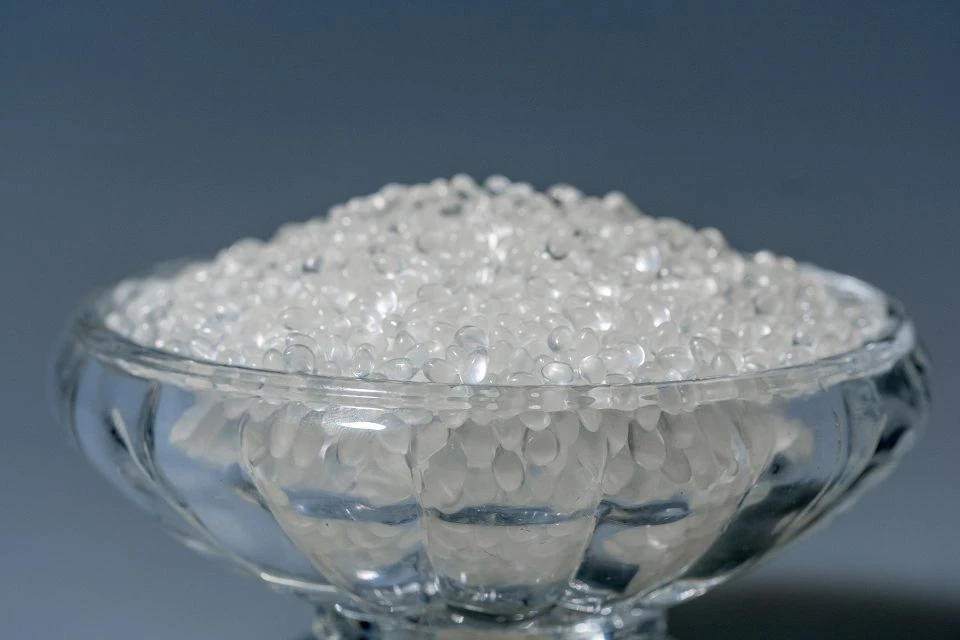
First, let's understand what TPE is. TPE, or Thermoplastic Elastomer, is a class of polymers that combine the characteristics of rubber and plastic. It offers the flexibility and elasticity of rubber with the processability of plastic. TPE has a wide range of applications, from TPE Chemical uses to TPE Casters, and even TPE Luggage Edge Trim and TPE Injection - Molded Floor Mat. Its unique properties make it an attractive material for various industries.
Characteristics of TPE Hand Grips
TPE hand grips have several features that make them potentially suitable for rowing training.
- Comfort: One of the most important aspects of any hand grip in a sport like rowing is comfort. TPE has a soft and flexible texture, which can conform to the shape of the hand. This reduces the pressure points and fatigue that can occur during long - term rowing sessions. When an athlete's hands are comfortable, they can focus more on their technique and power output.
- Grip: Rowing requires a firm and reliable grip on the oars. TPE hand grips offer excellent traction. The material's surface can be engineered to have a non - slip texture, which is crucial in preventing the oars from slipping out of the hands, especially when the hands are sweaty. This enhanced grip can improve the efficiency of each stroke, as the athlete can transfer more power to the water.
- Durability: Rowing is a physically intense activity, and the equipment needs to withstand a lot of wear and tear. TPE is a durable material that can resist abrasion, tearing, and environmental factors. This means that TPE hand grips can last through many training sessions and races without losing their shape or grip performance.
- Customizability: TPE can be easily molded into different shapes and sizes. This allows for the production of hand grips that are specifically tailored to the needs of rowers. Whether it's a specific diameter, shape, or texture, TPE can be customized to provide the best fit and performance for each individual athlete.
Benefits of Using TPE Hand Grips in Rowing Training
- Improved Performance: As mentioned earlier, the comfort and grip provided by TPE hand grips can lead to improved performance. When an athlete has a better grip on the oars, they can generate more power with each stroke. This can result in faster rowing times and better overall performance in races.
- Injury Prevention: The soft and flexible nature of TPE hand grips can help prevent injuries. By reducing the pressure on the hands and fingers, it can minimize the risk of blisters, calluses, and other hand - related injuries that are common in rowing. Additionally, the non - slip grip can prevent sudden slips that could cause the athlete to lose their balance and potentially injure themselves.
- Cost - Effectiveness: TPE is a relatively cost - effective material compared to some other high - performance materials. This makes TPE hand grips an affordable option for rowing clubs, teams, and individual athletes. They offer a good balance between performance and cost, making them accessible to a wider range of users.
- Hygiene: TPE is a material that is relatively easy to clean. In a sport like rowing, where hands can get dirty and sweaty, it's important to have equipment that can be easily maintained. Regular cleaning of TPE hand grips can help prevent the growth of bacteria and fungi, ensuring a healthy training environment.
Considerations and Limitations
While TPE hand grips have many advantages, there are also some considerations.
- Temperature Sensitivity: TPE can be sensitive to temperature changes. In extremely cold or hot conditions, the material's properties may change. For example, in cold weather, TPE may become stiffer, which could affect the grip and comfort. However, with proper design and material selection, this limitation can be minimized.
- Compatibility: Not all oars are designed to be used with TPE hand grips. The hand grips need to fit securely on the oars, and there may be some oar models where the fit is not ideal. This requires careful selection and testing to ensure compatibility.
Real - World Applications and User Feedback
In the real world, many rowing athletes and coaches have started to experiment with TPE hand grips. Some rowing clubs have reported positive feedback from their athletes. Athletes have noted that the TPE hand grips are more comfortable than traditional grips, and they feel more confident in their grip on the oars. Coaches have also observed that athletes using TPE hand grips seem to have better technique, as they are not distracted by discomfort or the fear of the oars slipping.
Conclusion
In conclusion, TPE hand grips can be a great option for rowing training. Their comfort, grip, durability, and customizability make them well - suited for the demands of the sport. While there are some limitations, such as temperature sensitivity and compatibility issues, these can be managed with careful consideration.
If you're a rowing club, team, or individual athlete looking for high - quality hand grips for rowing training, our TPE Hand Grips are worth considering. We offer a wide range of options to meet your specific needs. Contact us for more information and to discuss your procurement requirements. We're ready to work with you to provide the best solutions for your rowing training.

References
- "Materials Science in Sports Equipment" - A comprehensive textbook on the materials used in sports equipment.
- Studies on the performance of different hand grip materials in rowing published in sports science journals.