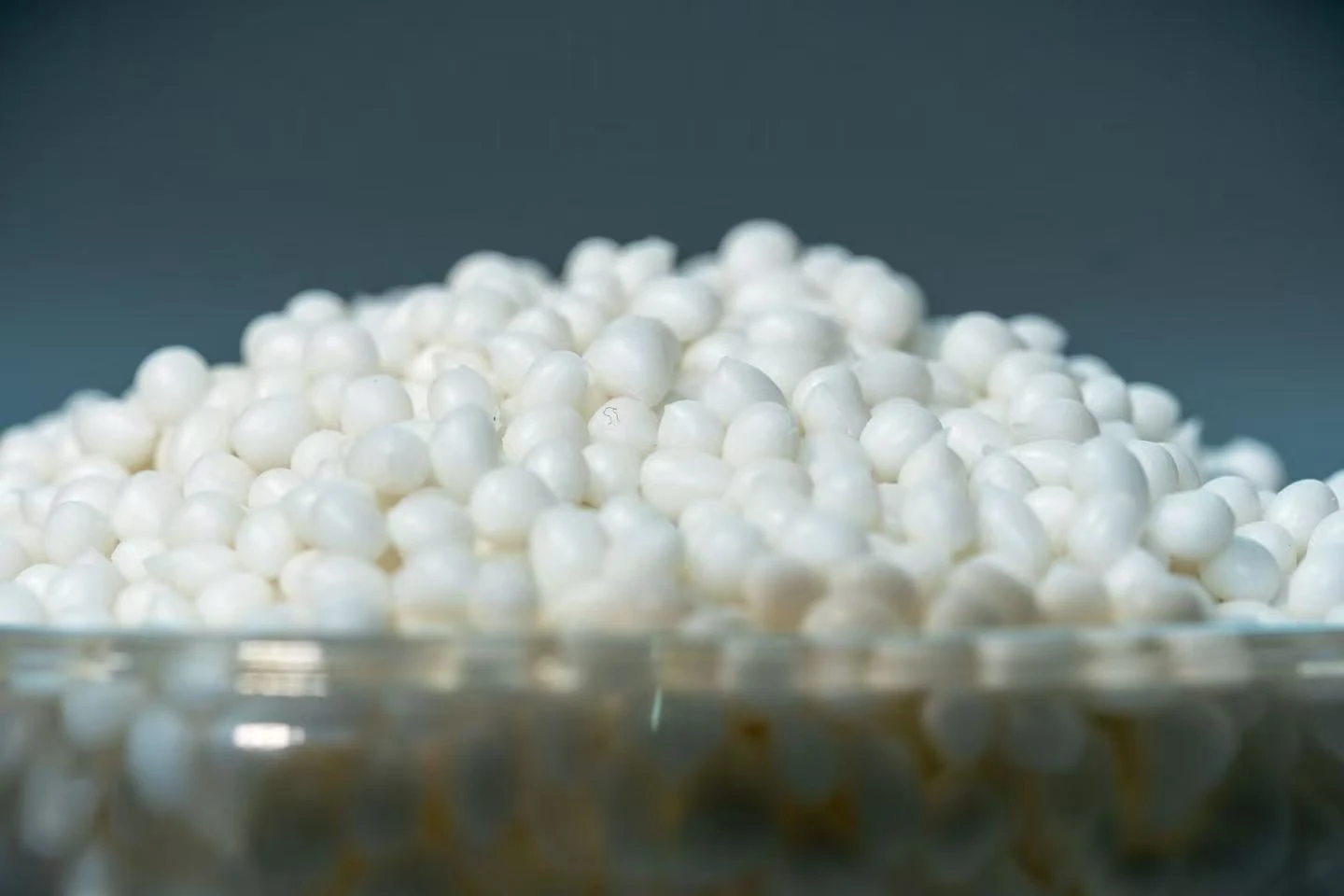
TPU ≠ Polymer Gel: What Exactly Is It?
When you feel that "springy bounce" beneath your sneakers, or hear that crisp "pop" sound as you peel off a phone case, TPU is likely the unsung hero behind the scenes. Its full name is Thermoplastic Polyurethane Elastomer-a block copolymer characterized by an alternating arrangement of soft segments (polyester/polyether) and hard segments (diisocyanate). Unlike the "moist softness" of polymer gels (such as those used in contact lenses), TPU possesses a unique duality: at room temperature, it is as soft as rubber; yet, when heated, it can melt and be reshaped just like plastic. This "dual-nature" characteristic-excelling in both cold and hot states-has earned it the title of the "Transformer" of the materials world.
The "Family Tree" of TPU: An Elastic Spectrum Ranging from Soft to Hard
The categories of TPU resemble a painter's palette, allowing for customized performance by simply adjusting the ratios of raw materials:
By Soft Segment Type: Polyester-based TPU offers superior abrasion resistance, making it ideal for footwear materials; polyether-based TPU boasts strong hydrolysis resistance and is frequently used in wetsuits.
By Hardness Range: Spanning a spectrum from 30A (akin to modeling clay) to 85D (approaching the hardness of rigid plastic), it can meet a diverse array of requirements-from phone cases to gears.
By Functional Characteristics: Some TPU variants are infused with flame retardants to become "fireproof guardians"; others incorporate conductive particles to transform into "circuit boards"; they can even be directly formed into complex structures via 3D printing. This inherent versatility allows TPU to be virtually "ubiquitous" across fields such as consumer electronics, automotive interiors, and medical catheters.
Why Can TPU Replace Traditional Materials?
Traditional rubber requires a vulcanization process-a method that is not only energy-intensive but also makes recycling difficult; conversely, ordinary plastics are often too rigid and lack elasticity. The advent of TPU has perfectly resolved this dilemma:
Processing Friendliness: It is fully compatible with all standard plastic processing techniques-including injection molding, extrusion, and blow molding-boosting production efficiency by over 30%.
Environmental Advantages: It is 100% recyclable and reusable, thereby helping to reduce microplastic pollution.
Synergistic Performance: It combines the shock-absorbing properties of rubber with the structural strength of plastic; furthermore, through chemical modification, it can acquire additional advanced capabilities, such as antimicrobial properties and self-healing functionality. From Nike's Air-cushioned shoes to Tesla's charging connectors, TPU is redefining the boundaries of modern materials with its "elastic intelligence."